Promoting the development of communication in babies & toddlers
How speech develops in babies and infants
First, babies' communication is characterised by body language,
facial expressions, sounds such as laughing, crying, and their first
baby gabble. Parents have a feeling for what their child wants to "tell"
them. Only after some time do children begin to speak their first
words. Each child will reach this point at a different speed. Some
infants speak their first words at around 9 months old, while others
don't speak until their 2nd birthday. In order to promote the
development of their young ones' speech, parents can actively support
children in this learning phase with toys. To that end, it's important
to note that children can learn up to 10 new words per day. Experts
claim that the a child's first 50 words are their biggest hurdle at the
beginning of speech development.
Wooden books support children's speech development
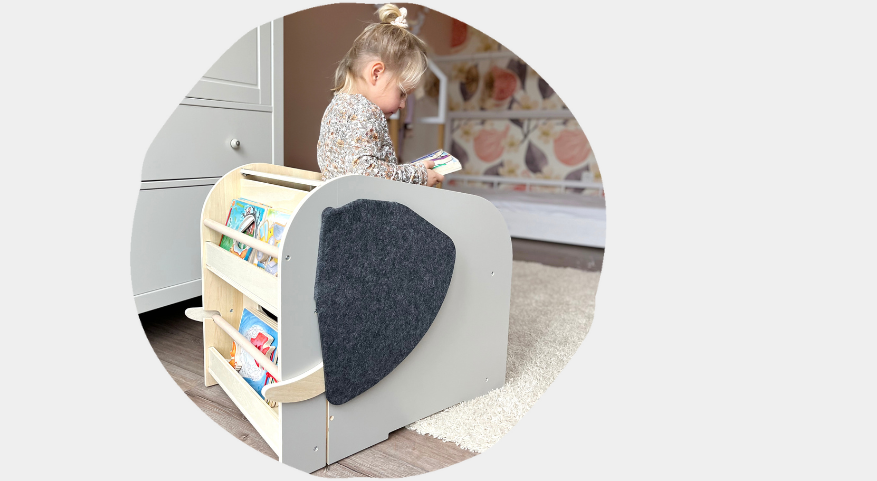
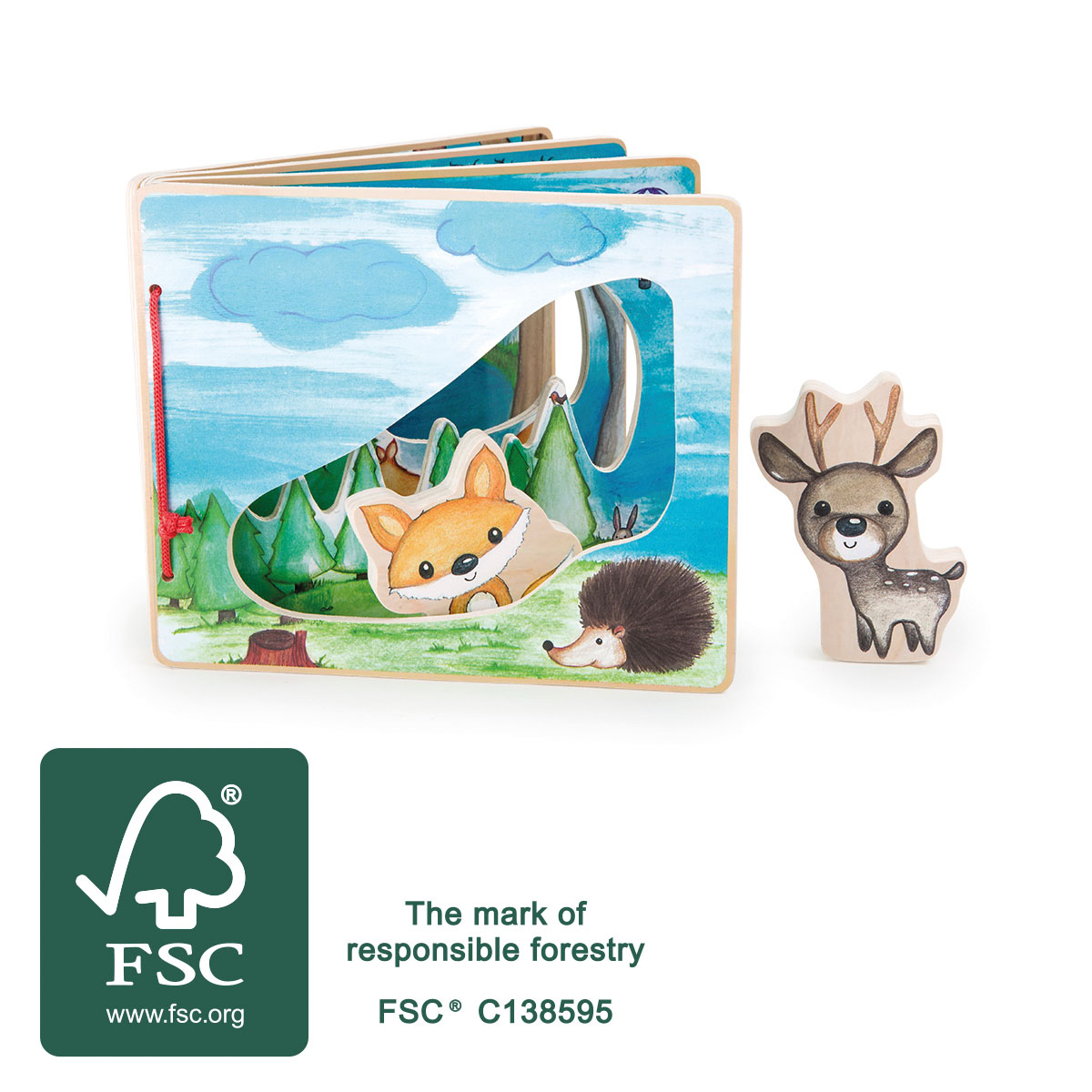
Children love stories from Mum, Dad, or their grandparents. Regardless of whether a child can understand them yet, it's important to speak with them. Even simply telling stories and the fact that your child is listening to them trains furthers their childhood speech development. Combined with fine motor activities such as turning the pages of books together activates the brain's speech centres. The reason for this is that the fine motor skills and speech centres in the brain are right next to each other and positively influence each other since both regions are activated simultaneously. In addition, reading aloud has other positive effects, such as the development of hearing abilities, strengthening the parent-child bond, and increasing children's concentration skills while they actively listen.
Role-playing toys activate children's speaking skills
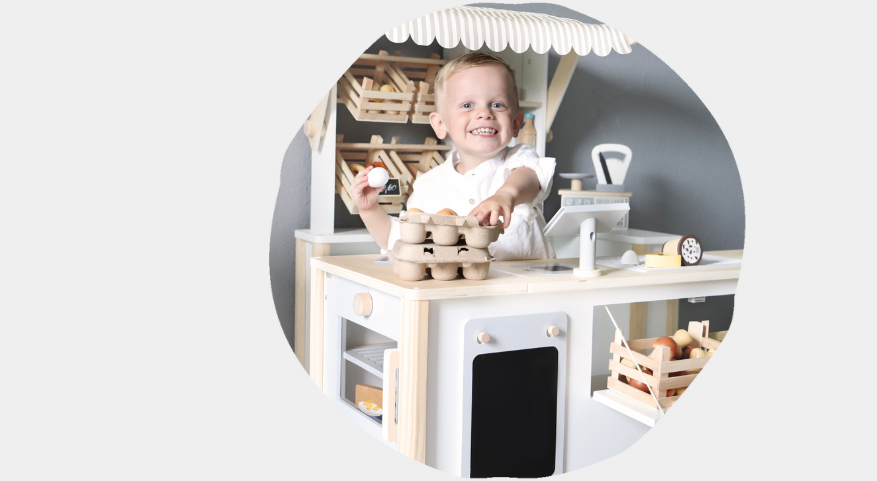
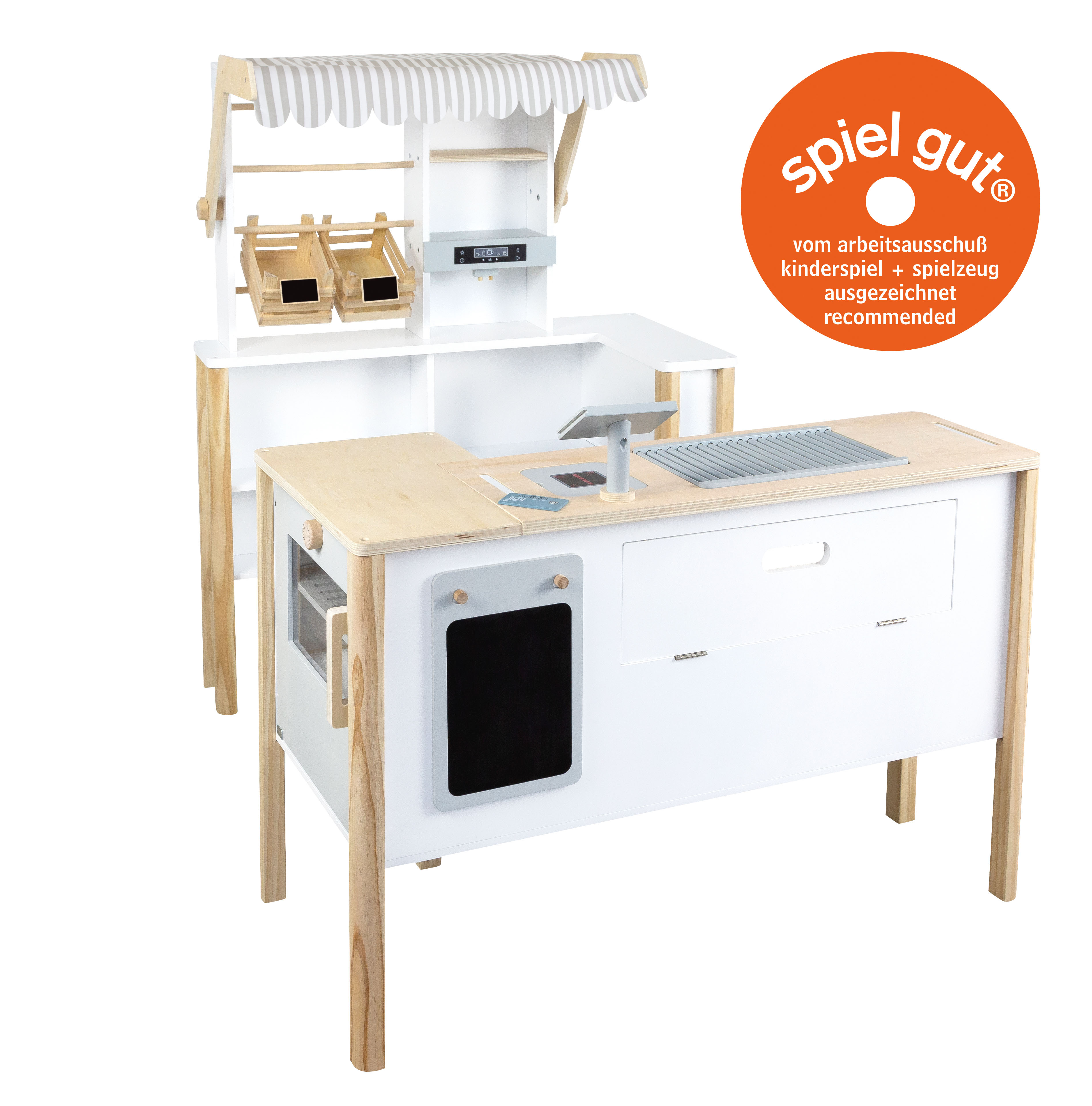
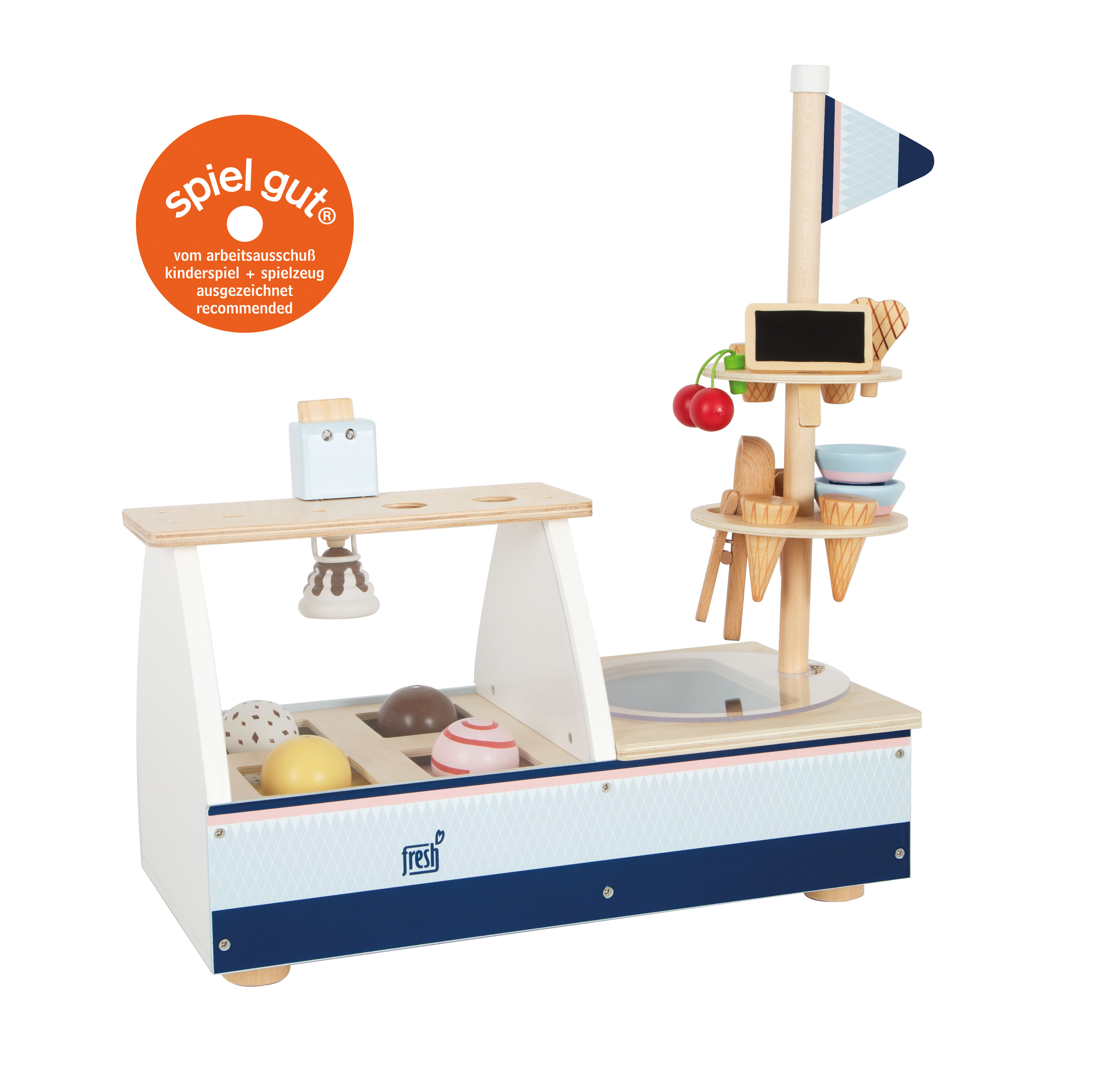
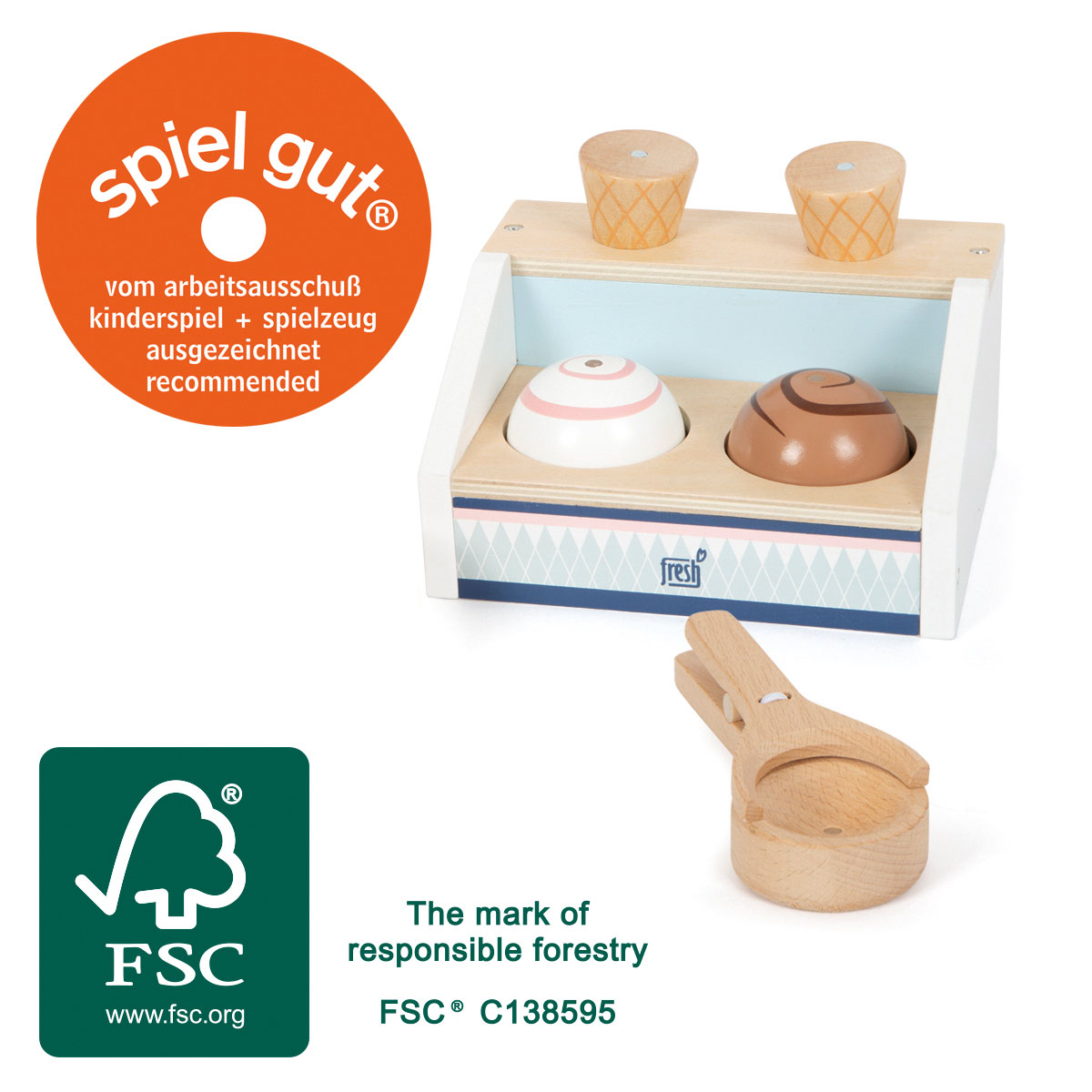
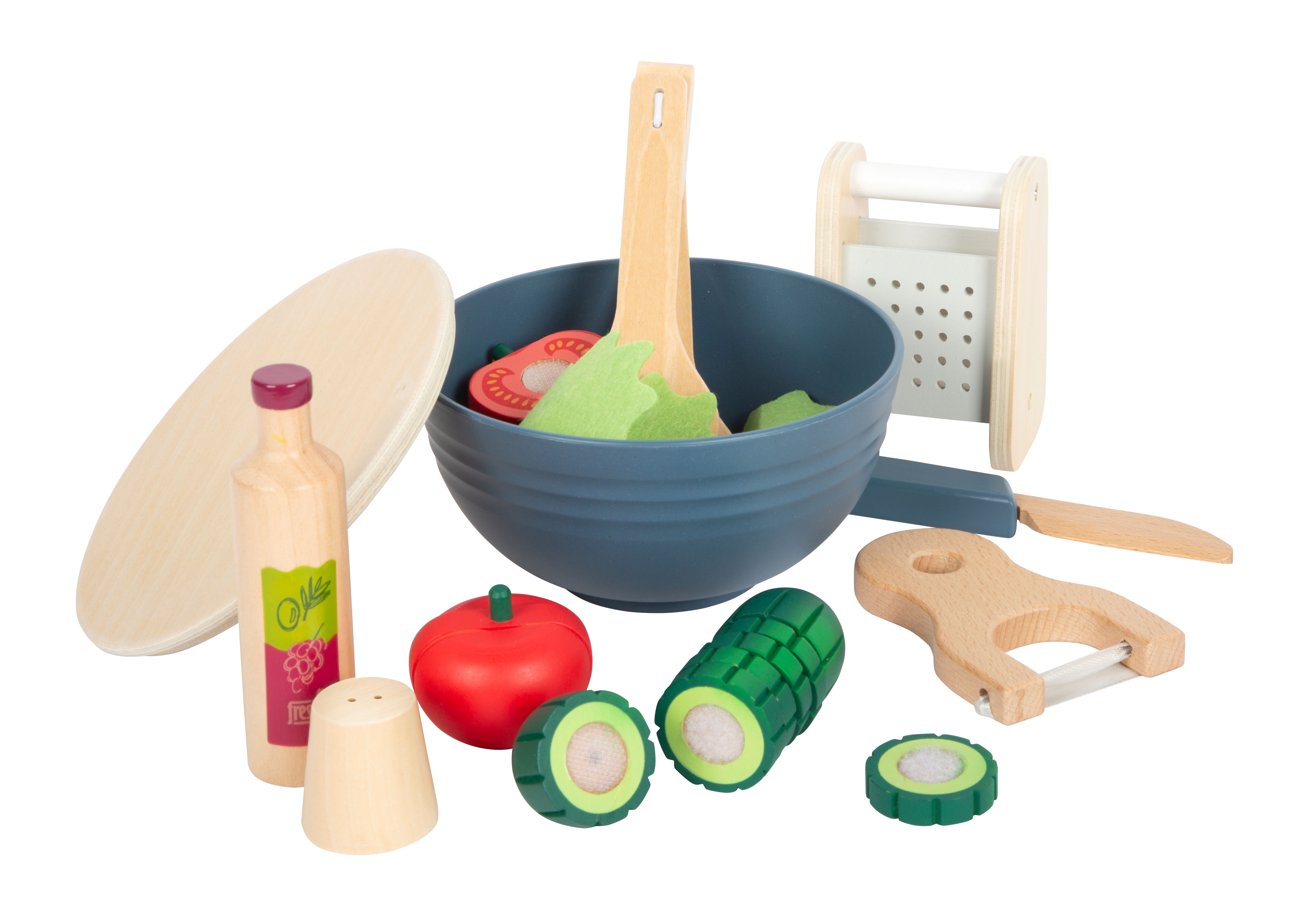
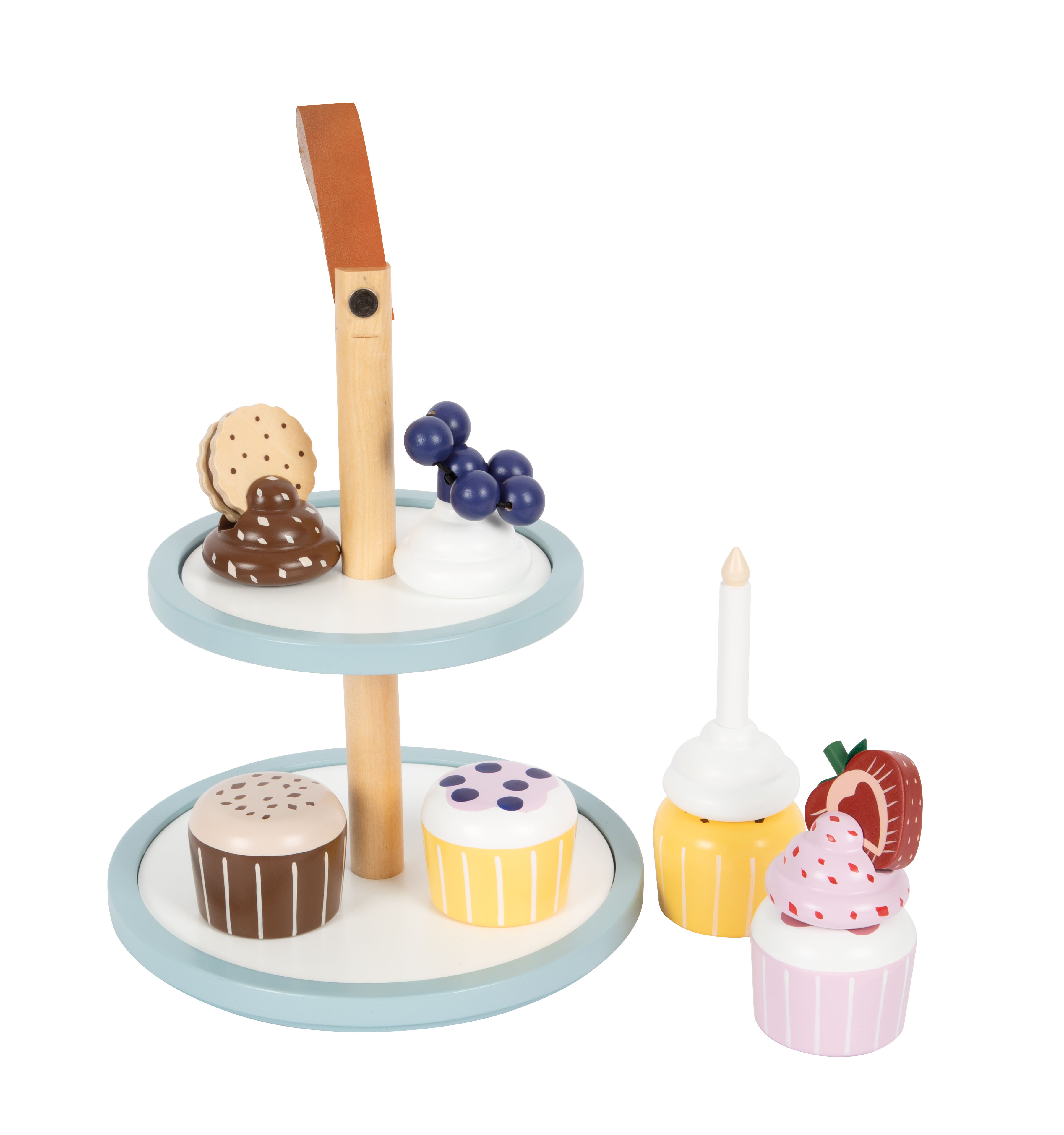
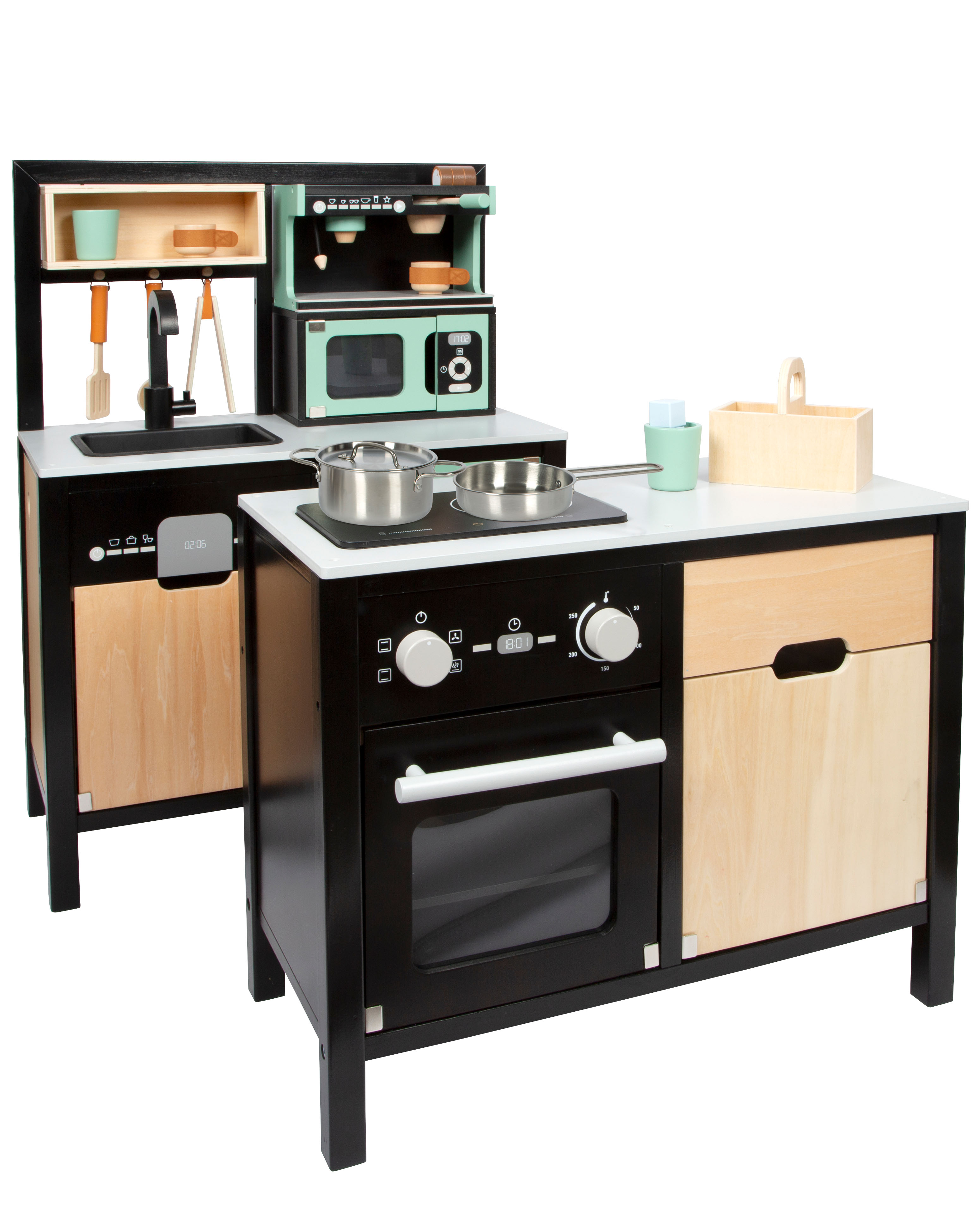
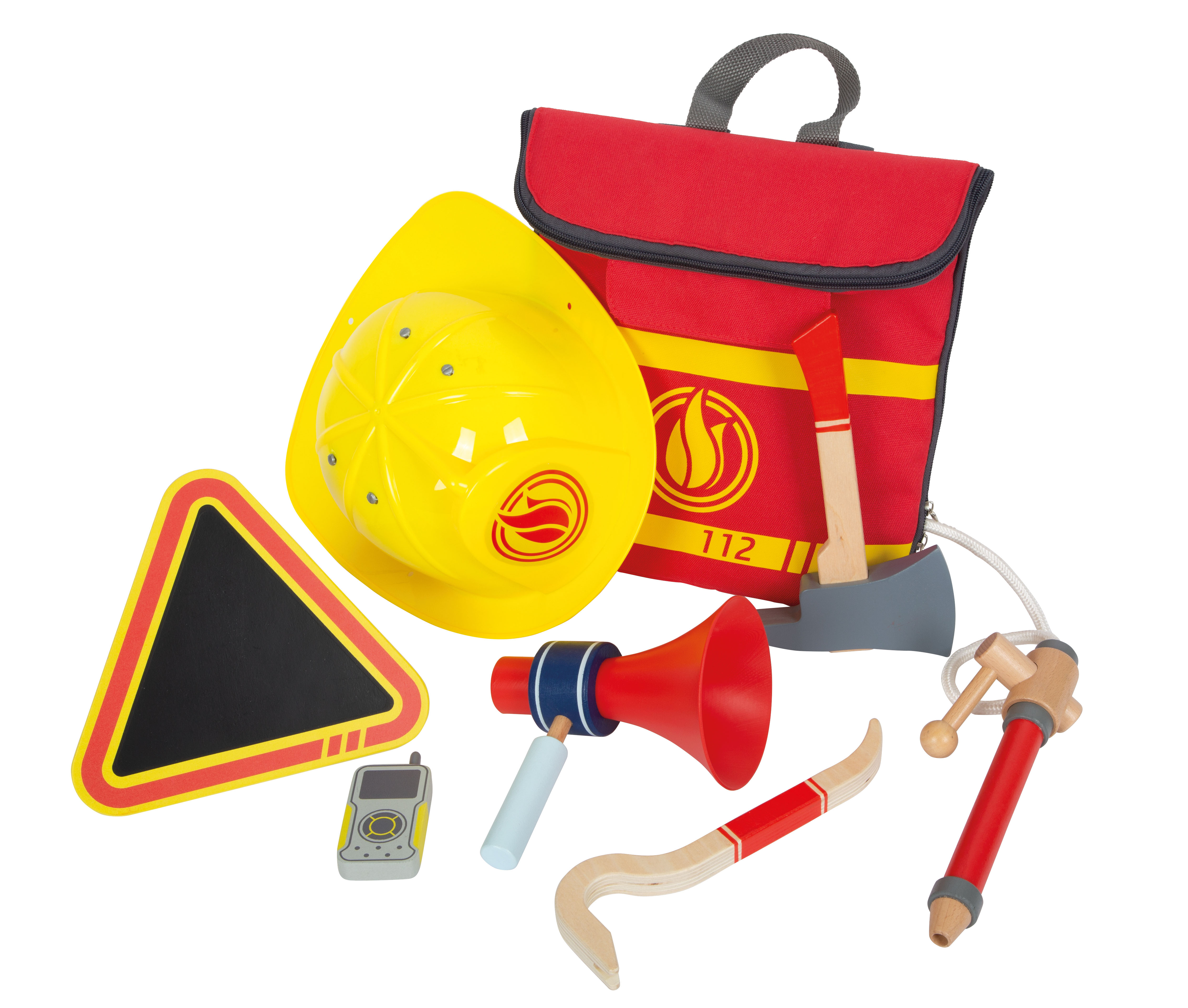
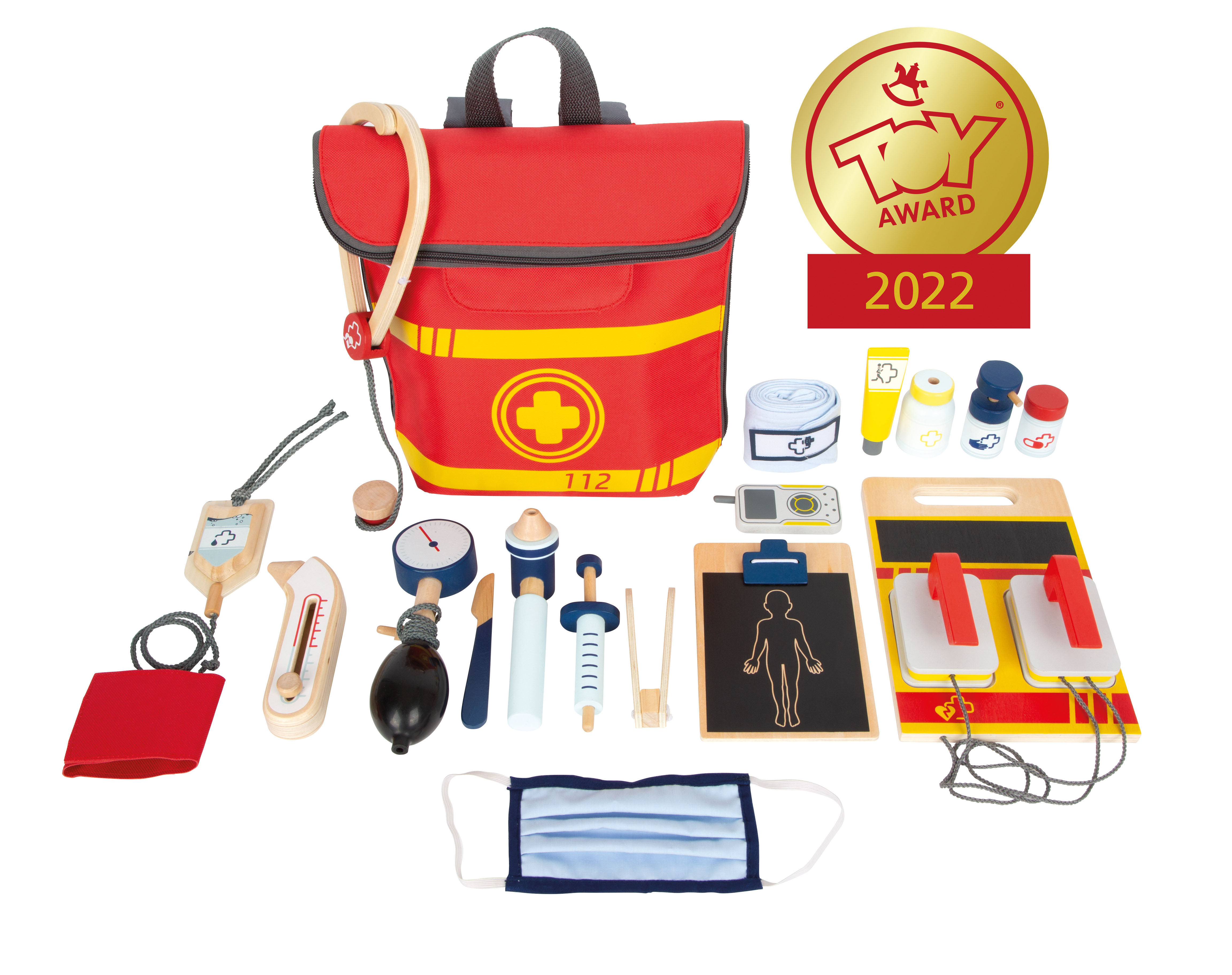
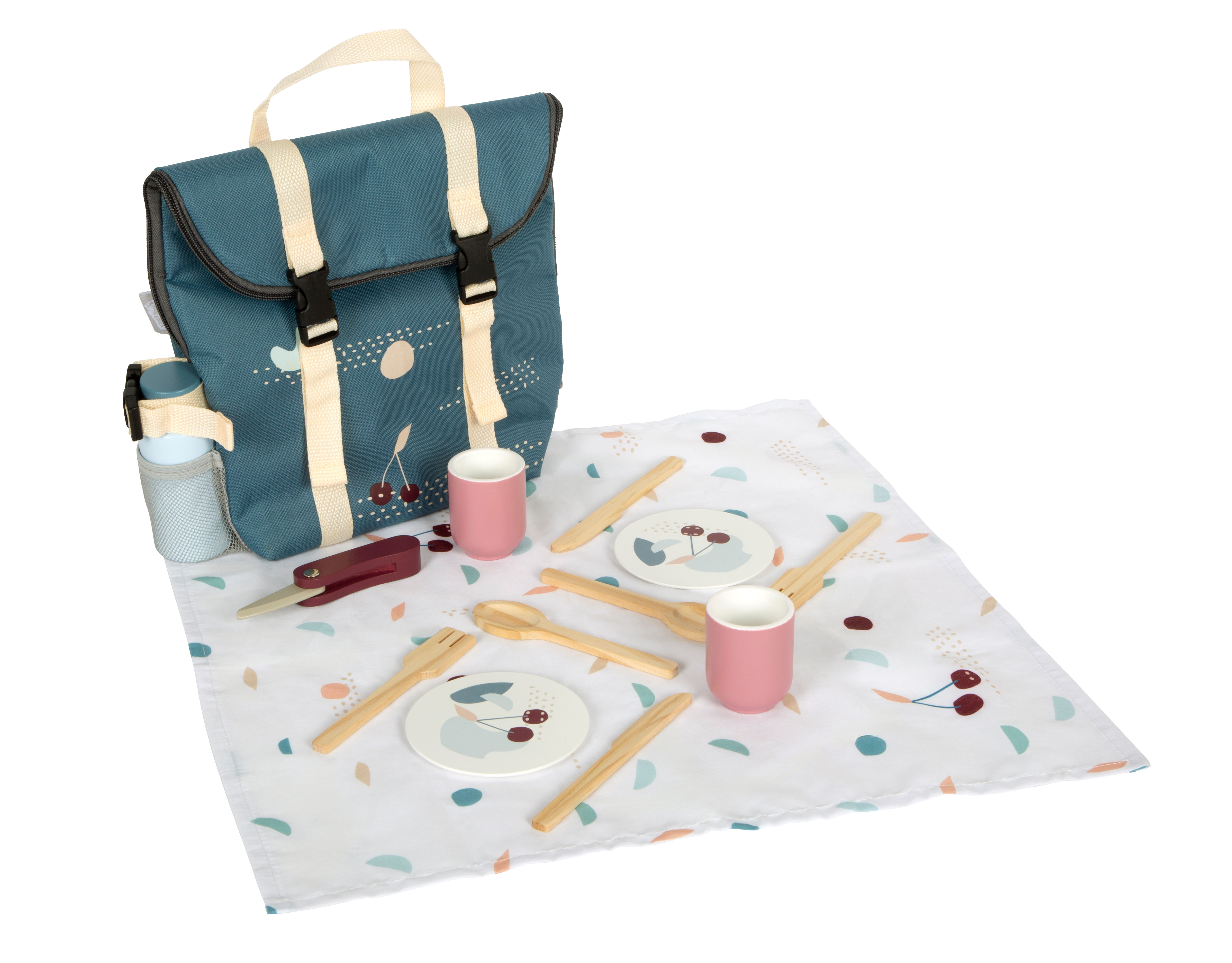
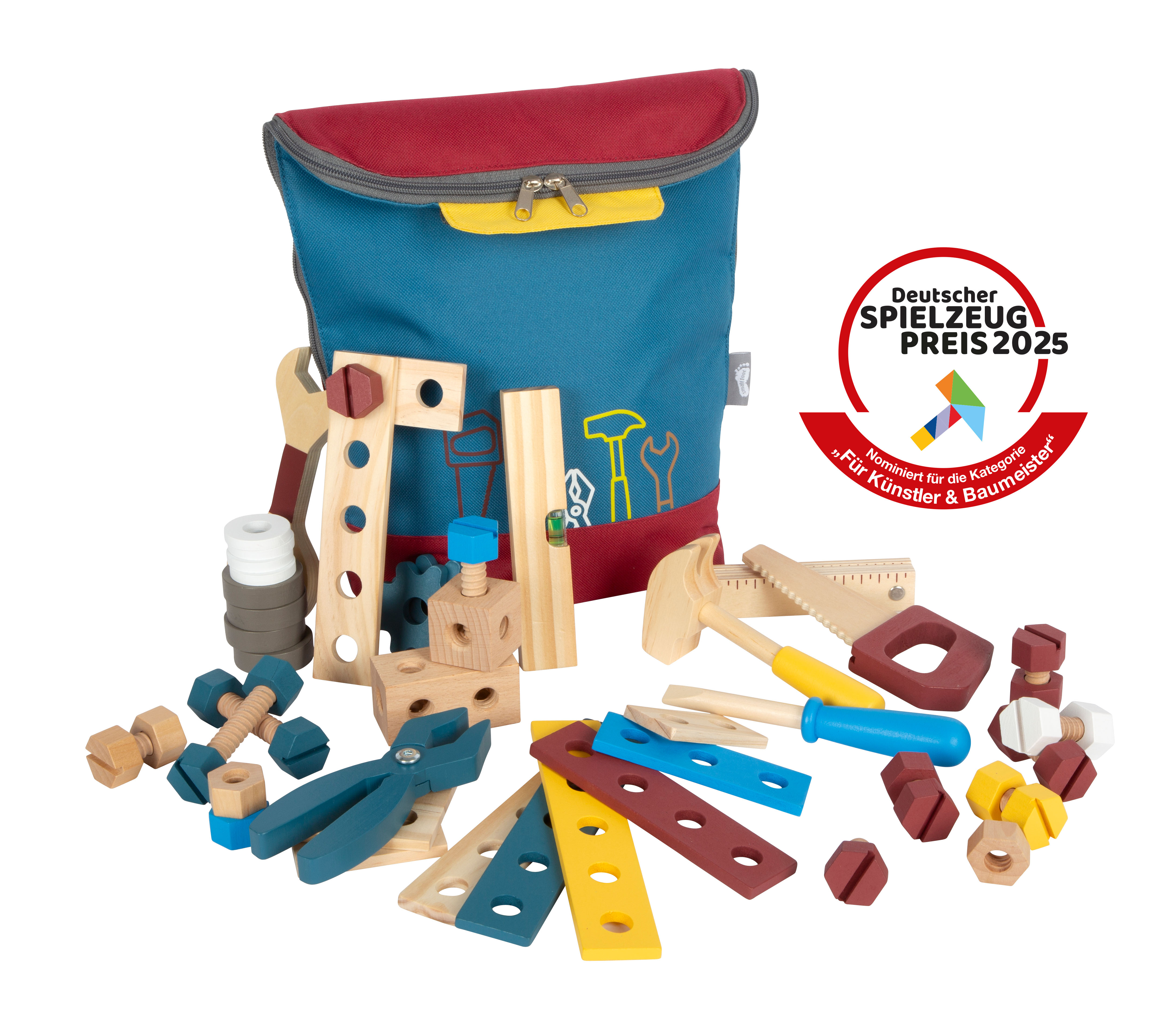
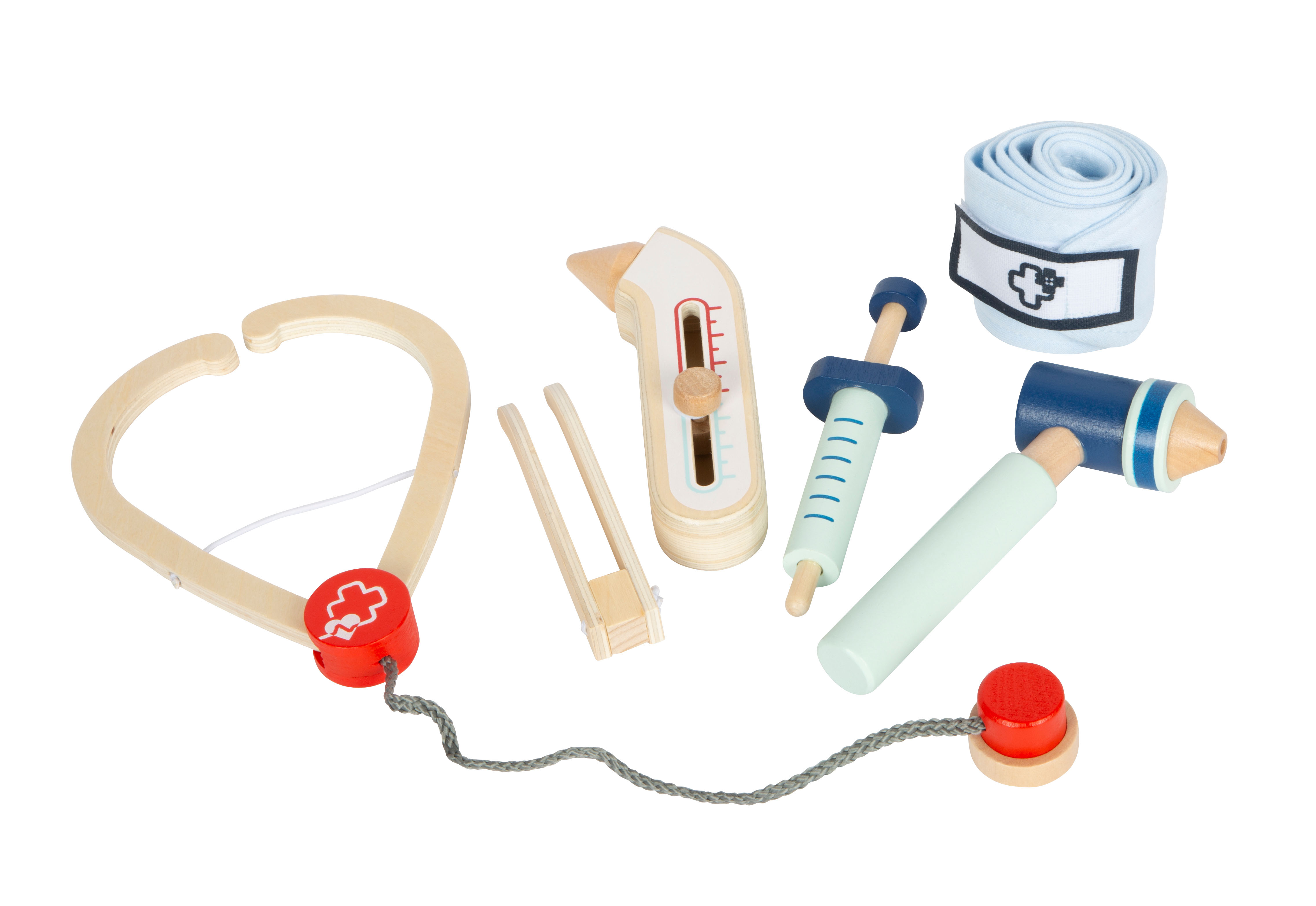
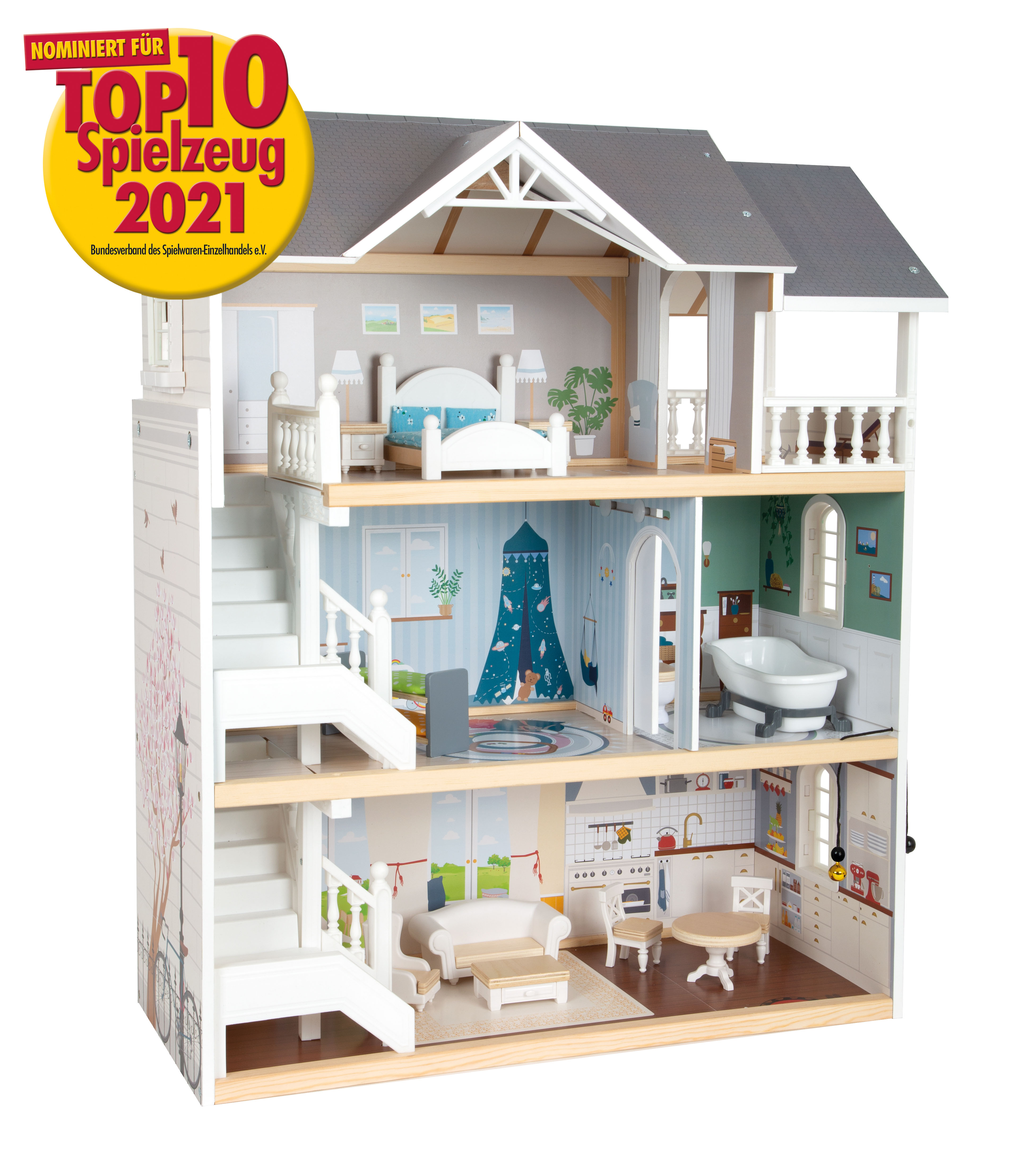
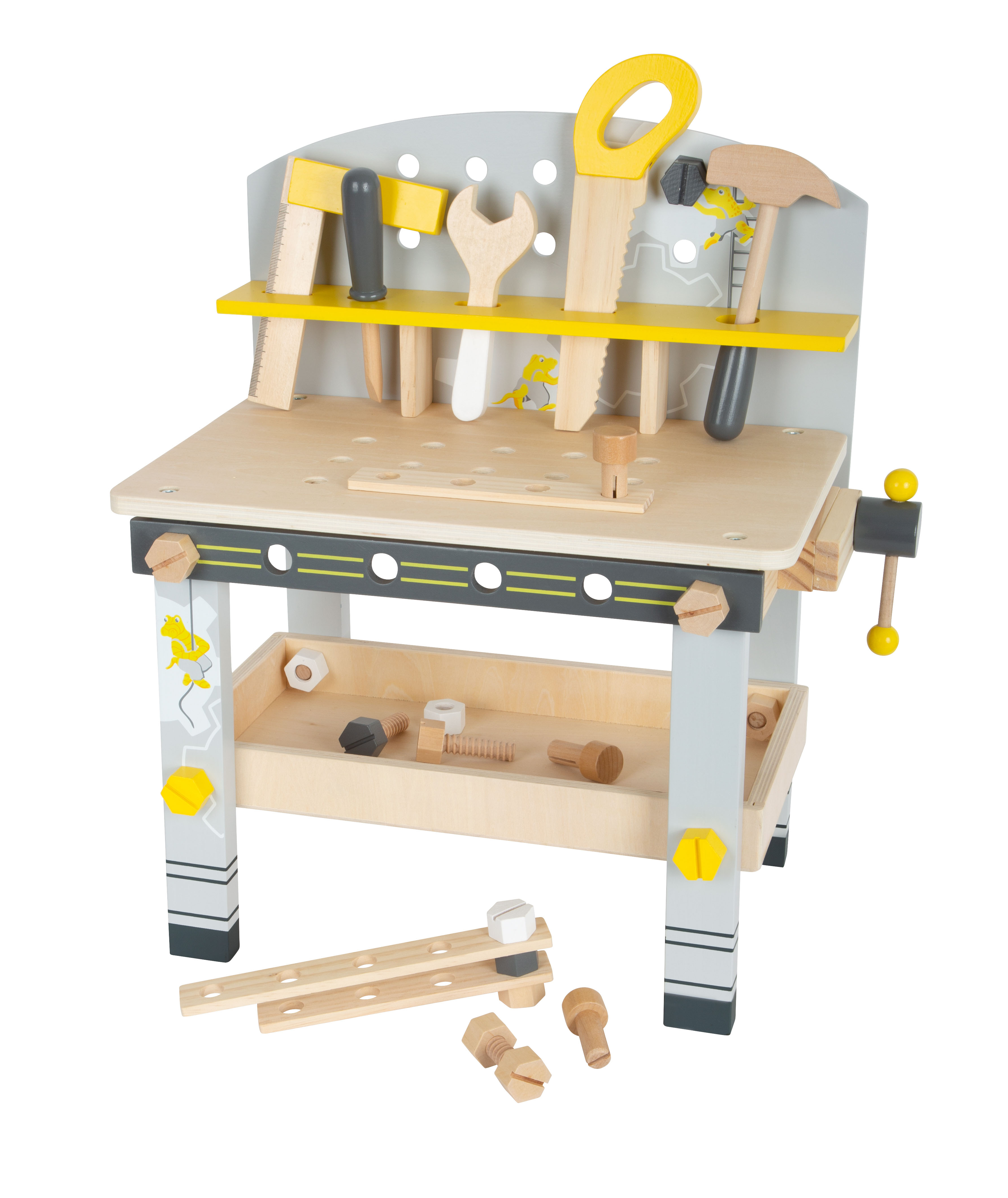
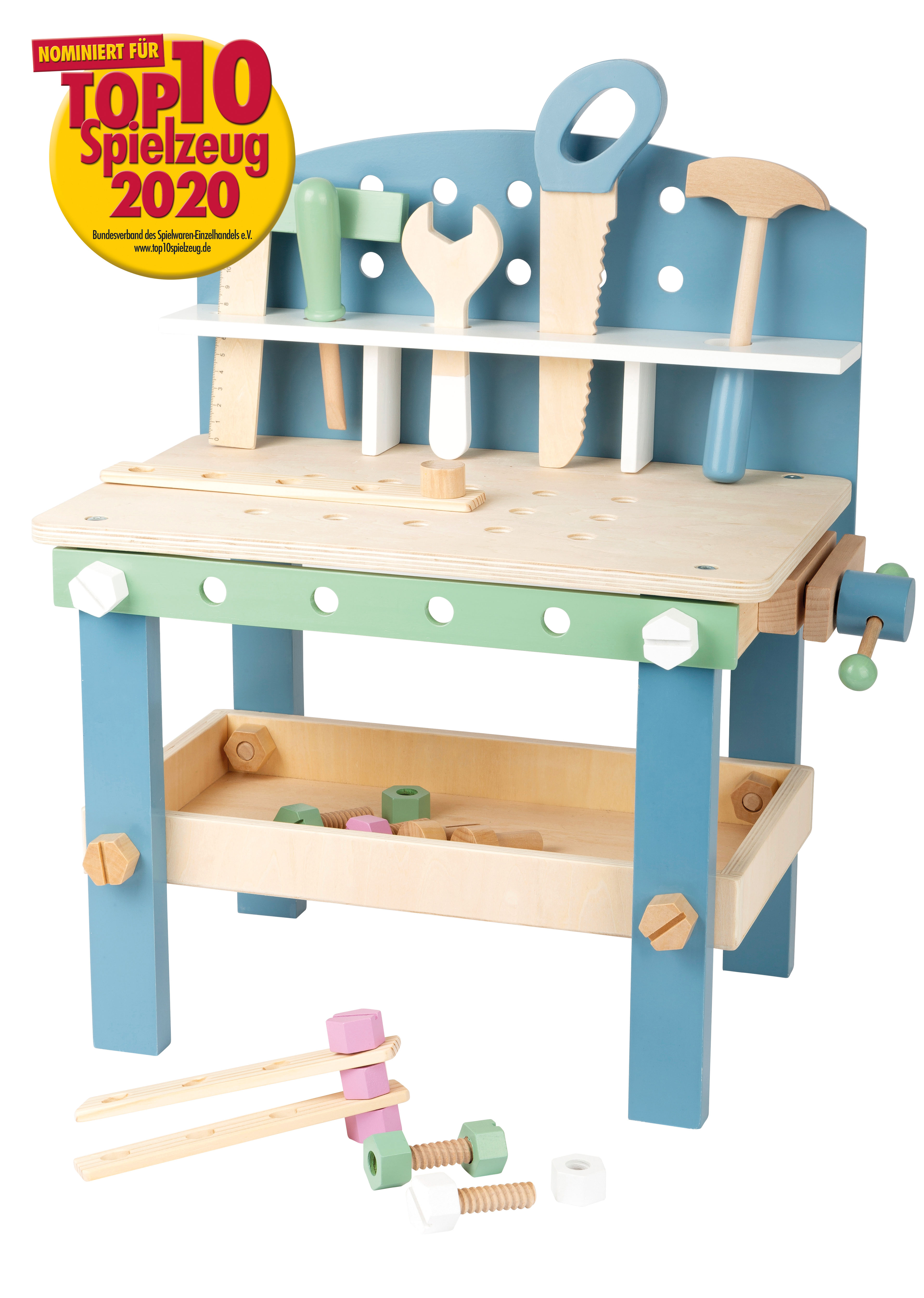
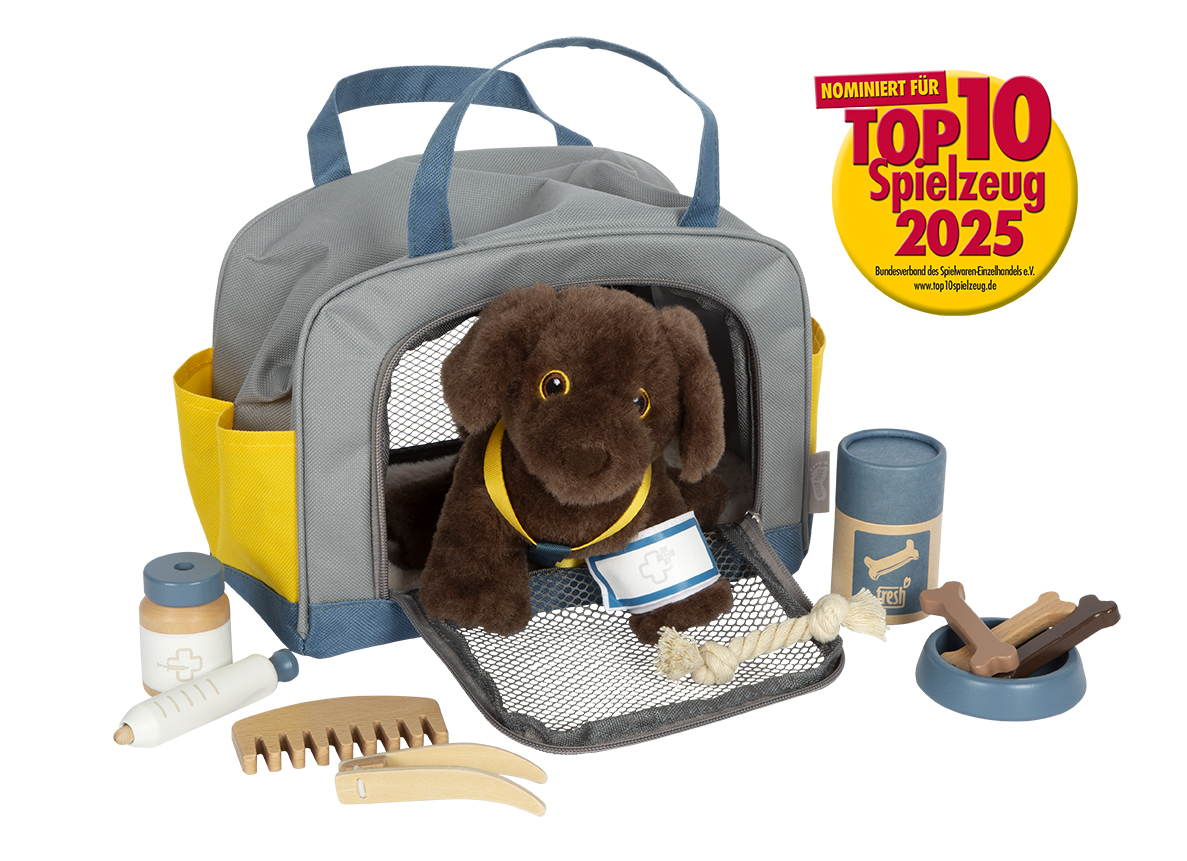
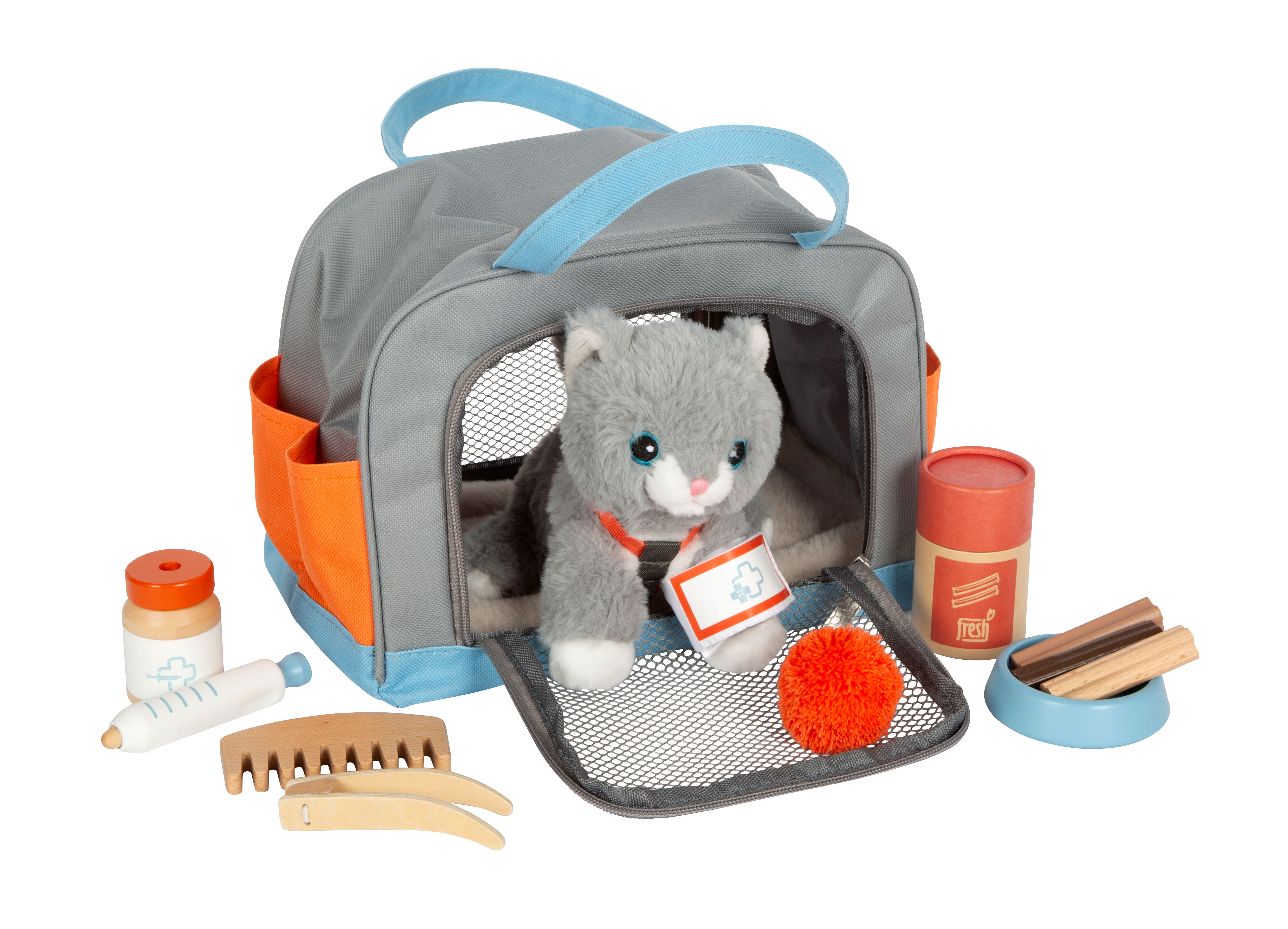
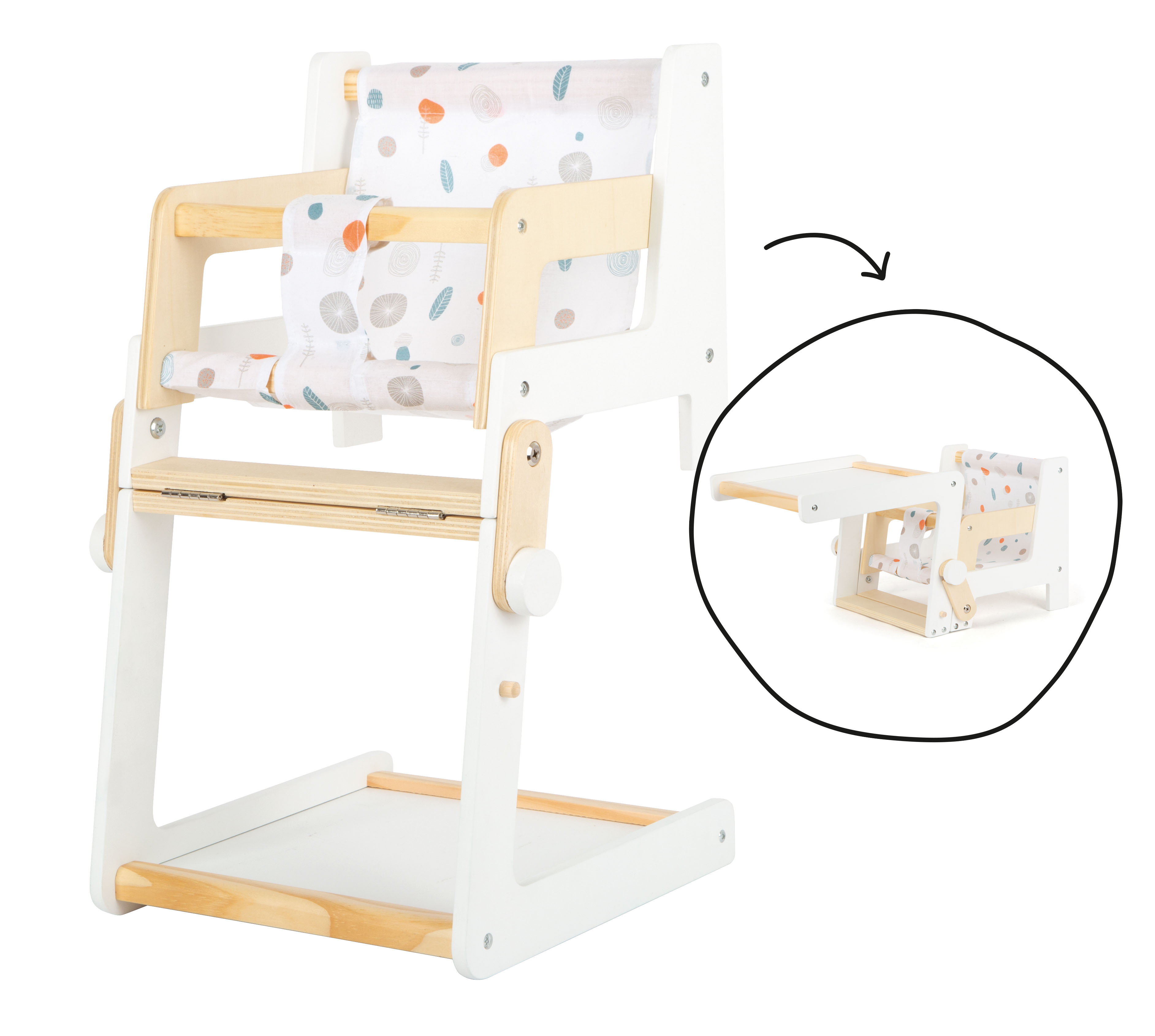
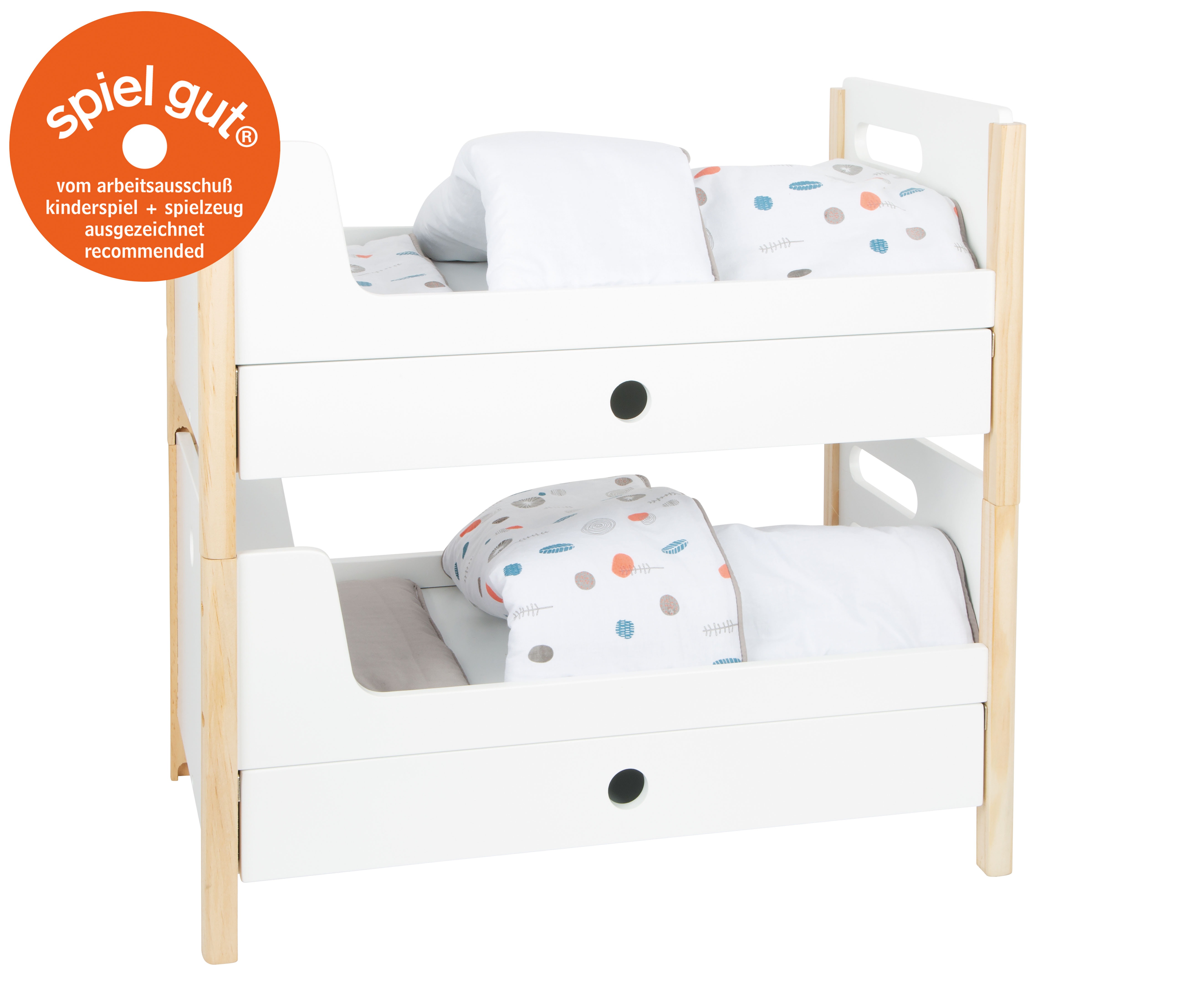
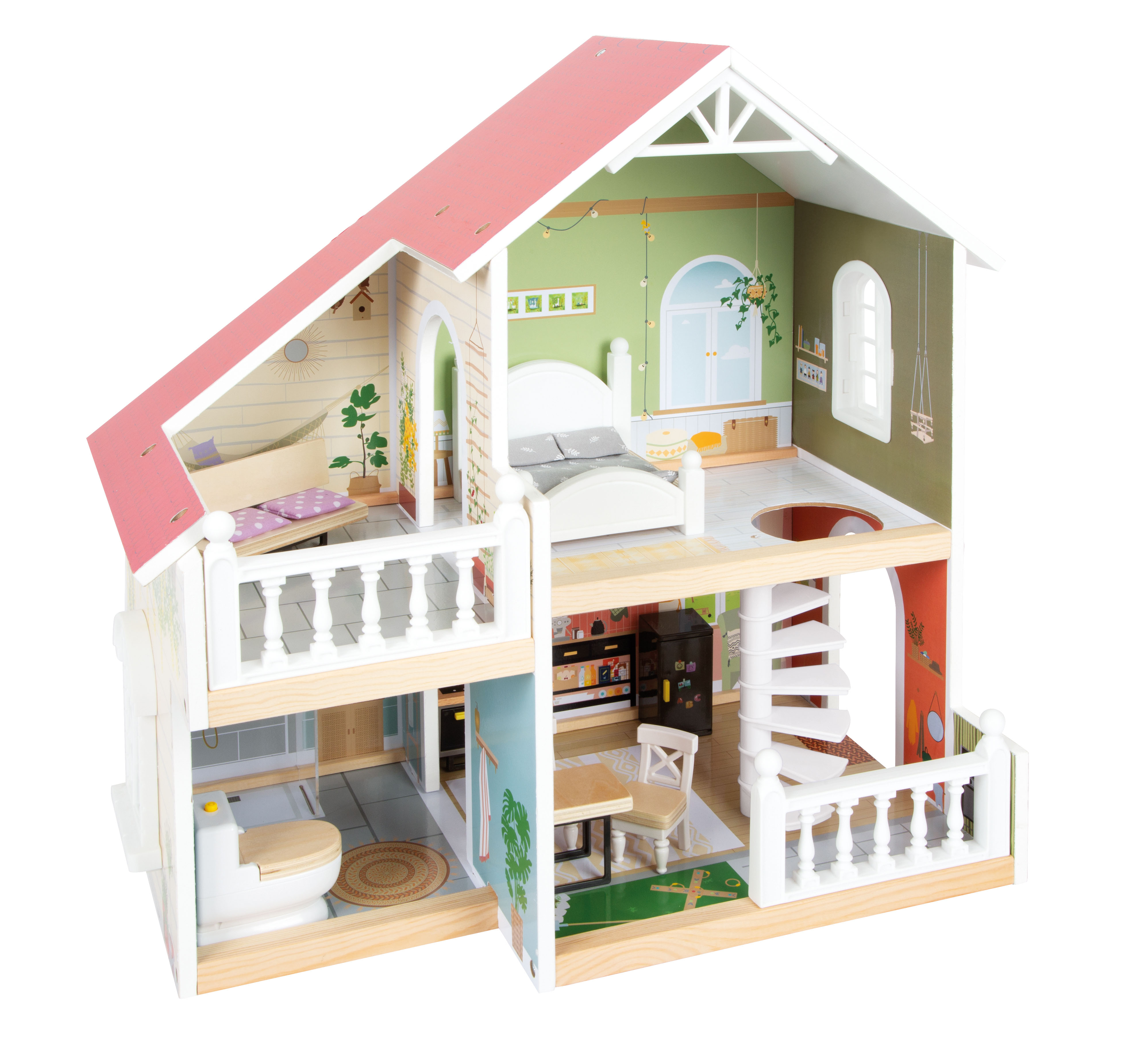
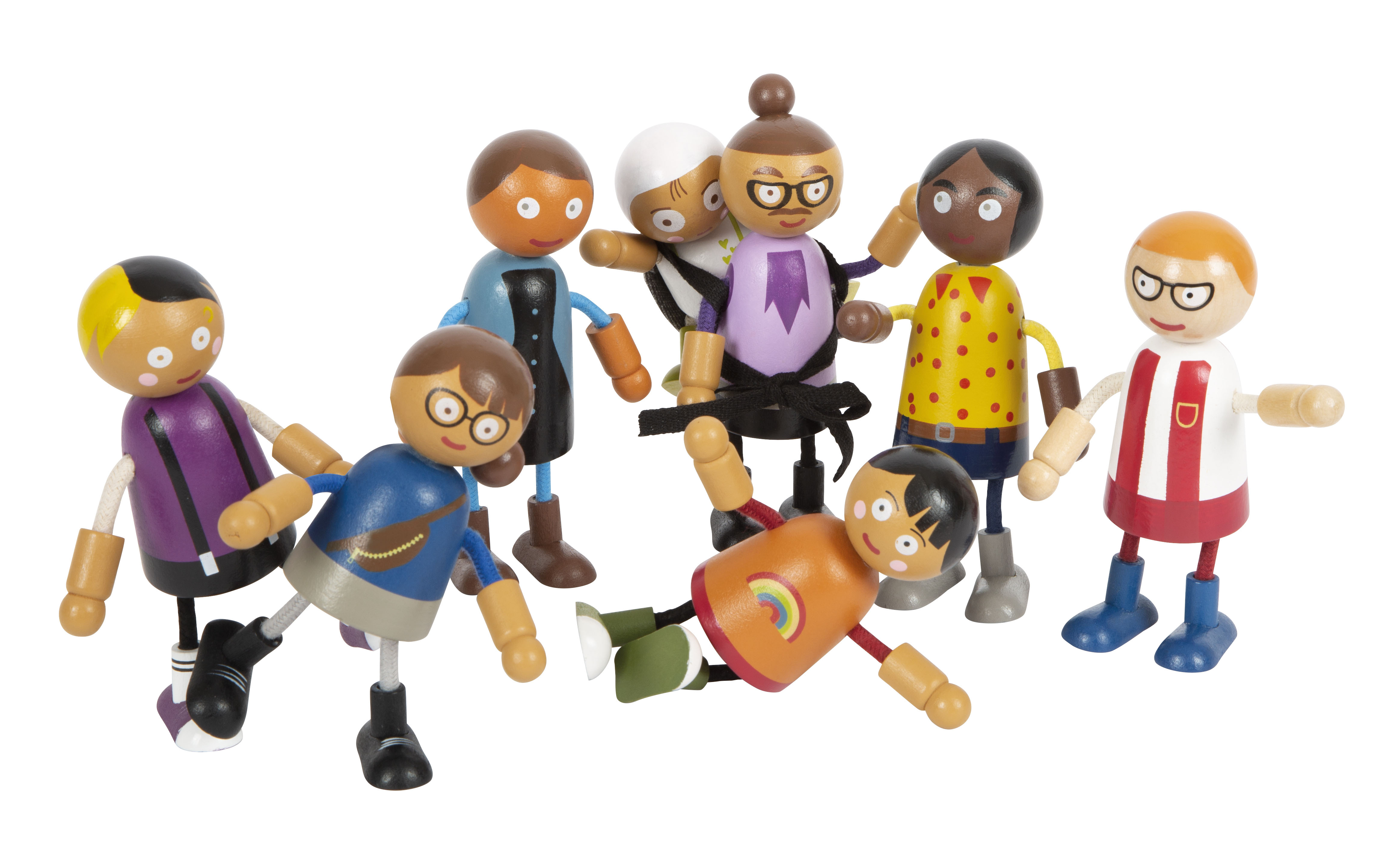
Role-playing toys give children the opportunity to imitate situations. Children set themselves into the world of adults and have lots of fun and joy imitating the grown-ups. Dive into this world of role-playing together with them and promote the development of their speaking skills with tea circles or crafting in the nursery. This can activate the linguistic exchange between adults and kids, which has a positive effect on their communication skills. At the same time, children's imaginations will be inspired with role-playing toys, and they can process the situations they've experienced while they role-play them. As a parent, you'll get a glance into your children's world of feelings.
How playing with dolls promotes speech development
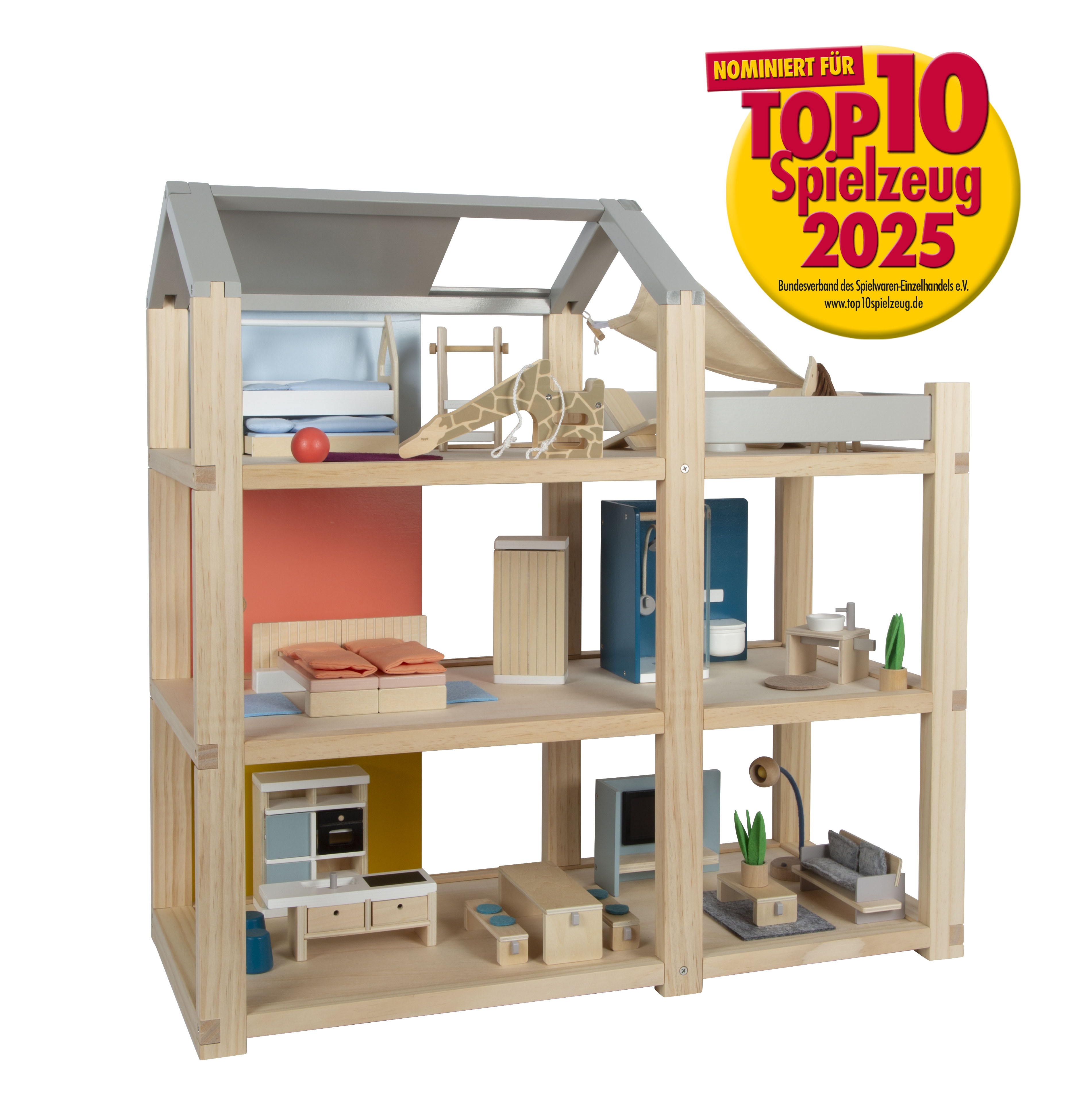
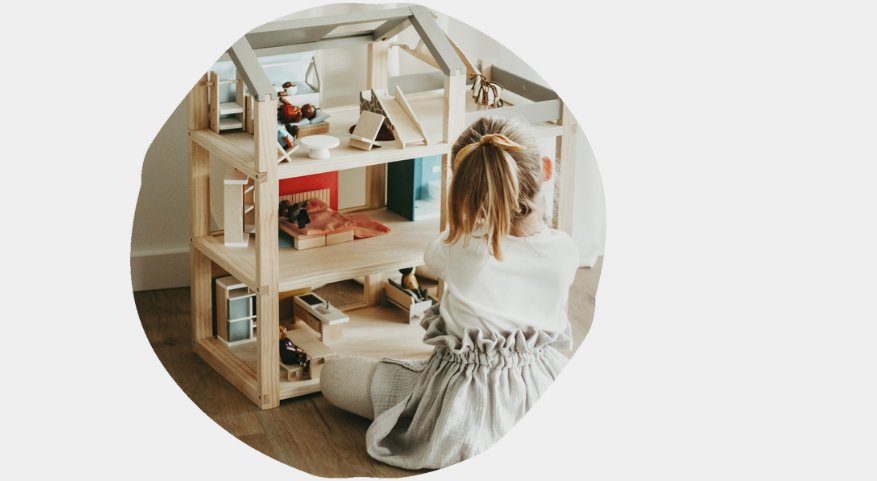
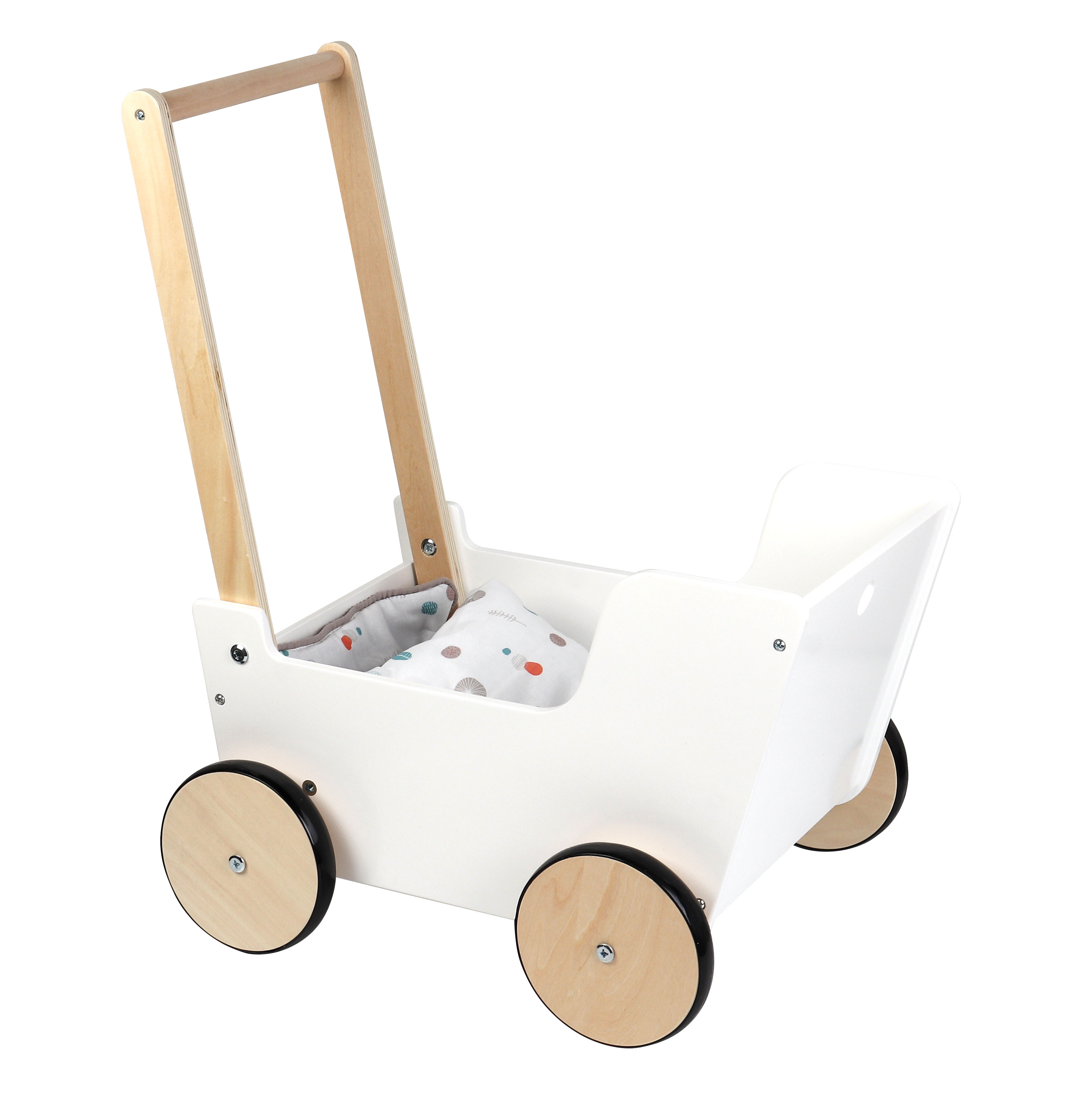
Regardless whether they're for boys or girls - dolls are a popular toy choice for children. They also promote the speech development in the youngest kids. They can play with their dolls alone or as part of a group. Even when playing alone, their imaginations are activated when playing with role-playing toys and they make up stories which both help develop their speaking skills. It's also likely that the youngest ones will develop a strong connection to their dolls. They'll tell them stories or even secrets, which positively influences their communications skills.
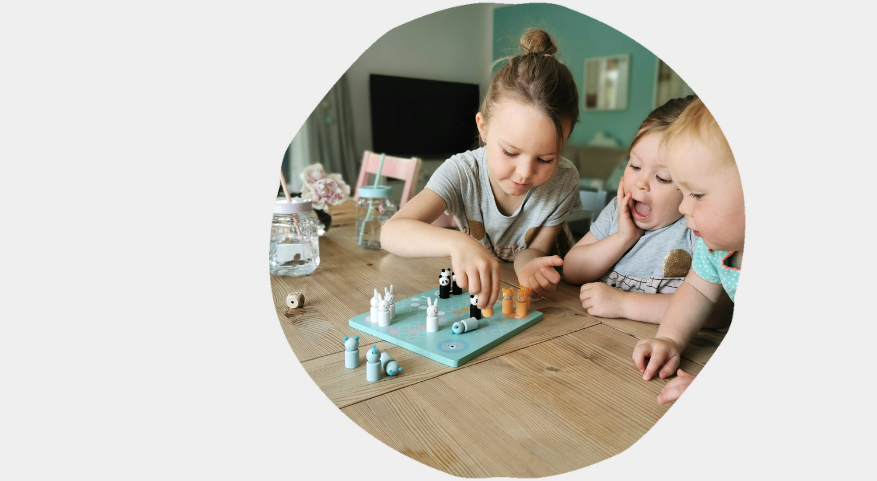
Parlour games encourage linguistic exchanges
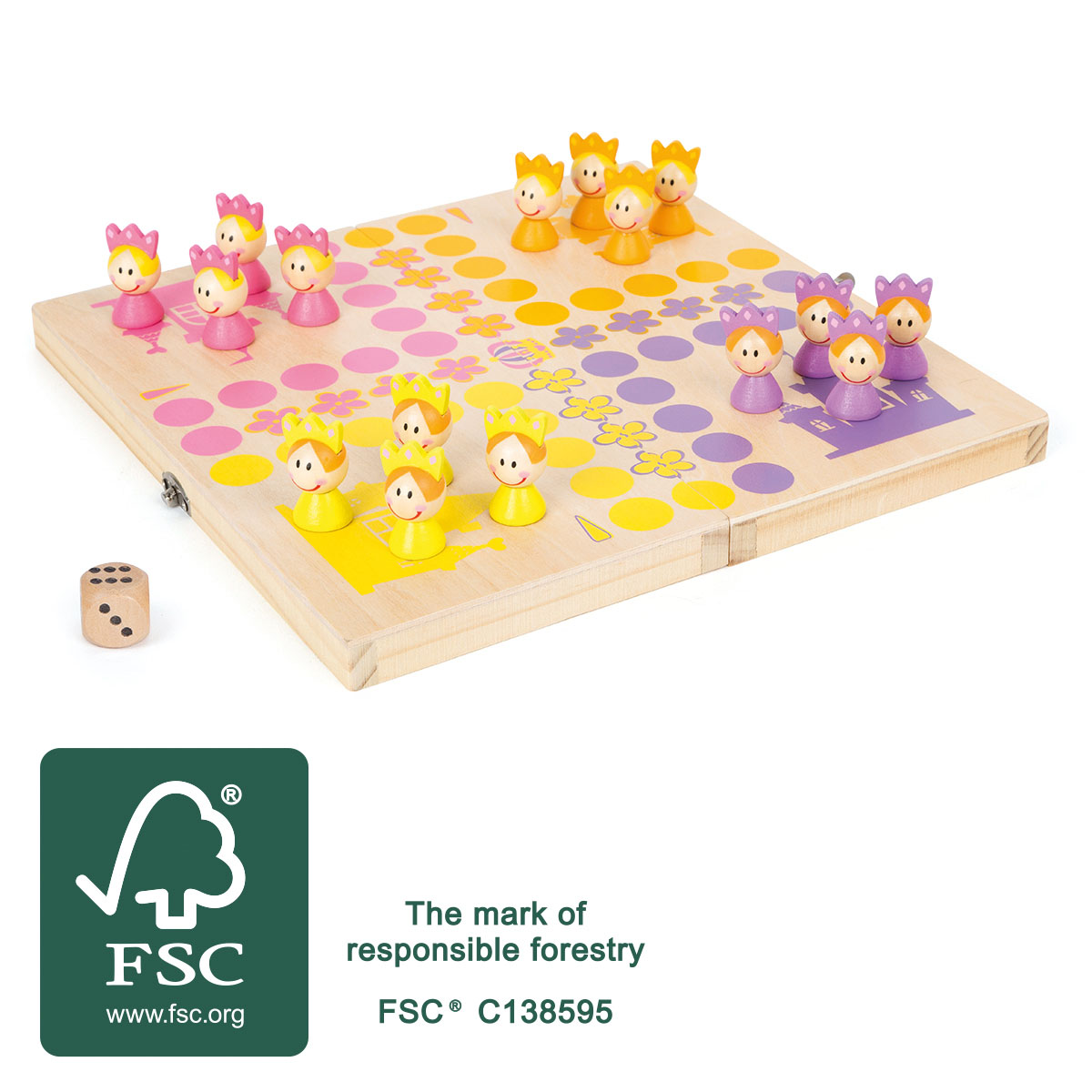
There are certain toys and games that encourage communication between
parents and children all by themselves. With board games, playing the
games without speaking is hardly possible - indeed, linguistic exchange
is at the forefront of these activities. At the same time, children
learn to deal with losing when playing board games, which has a positive
effect on their emotional development. Children between the ages of 2
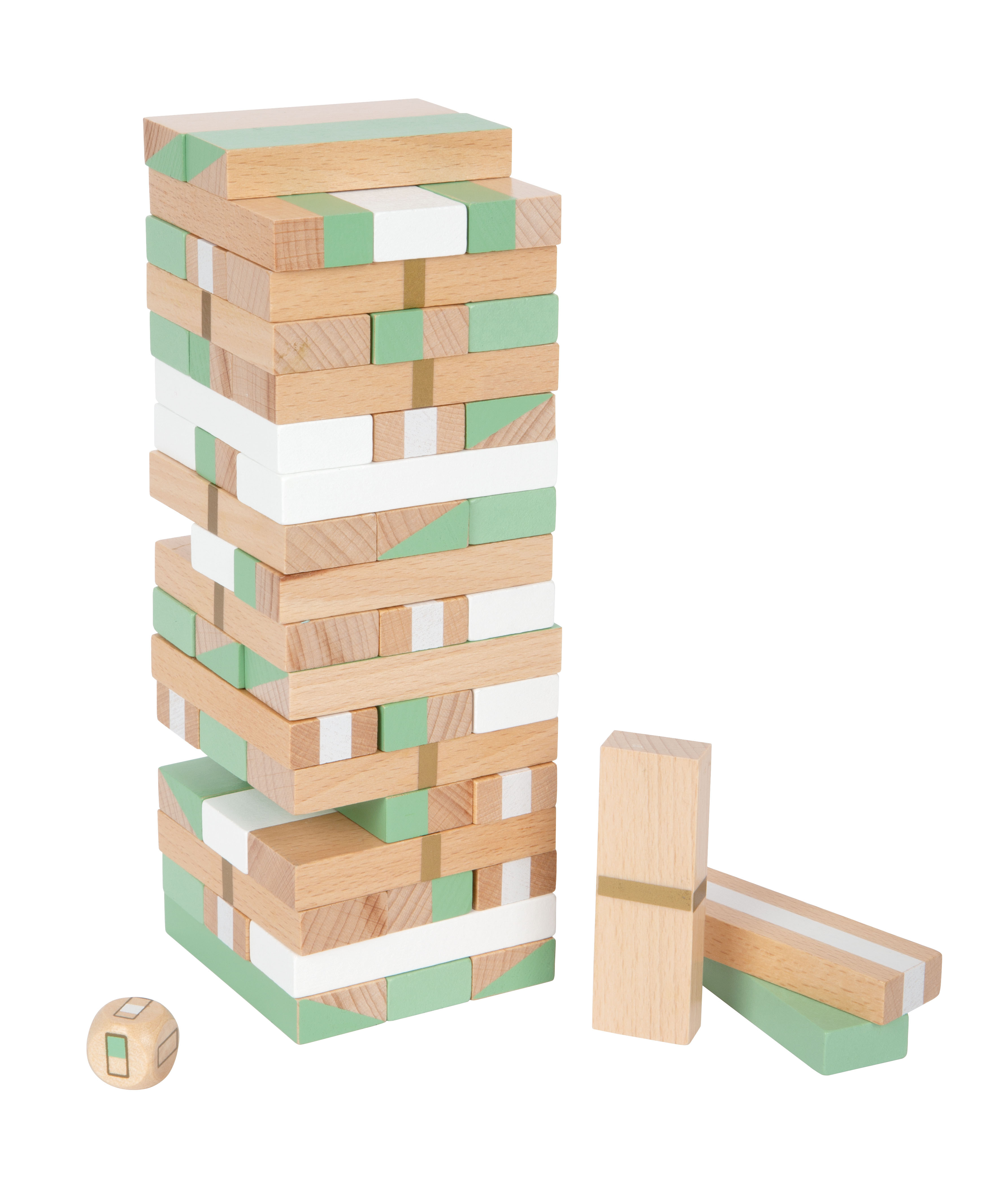
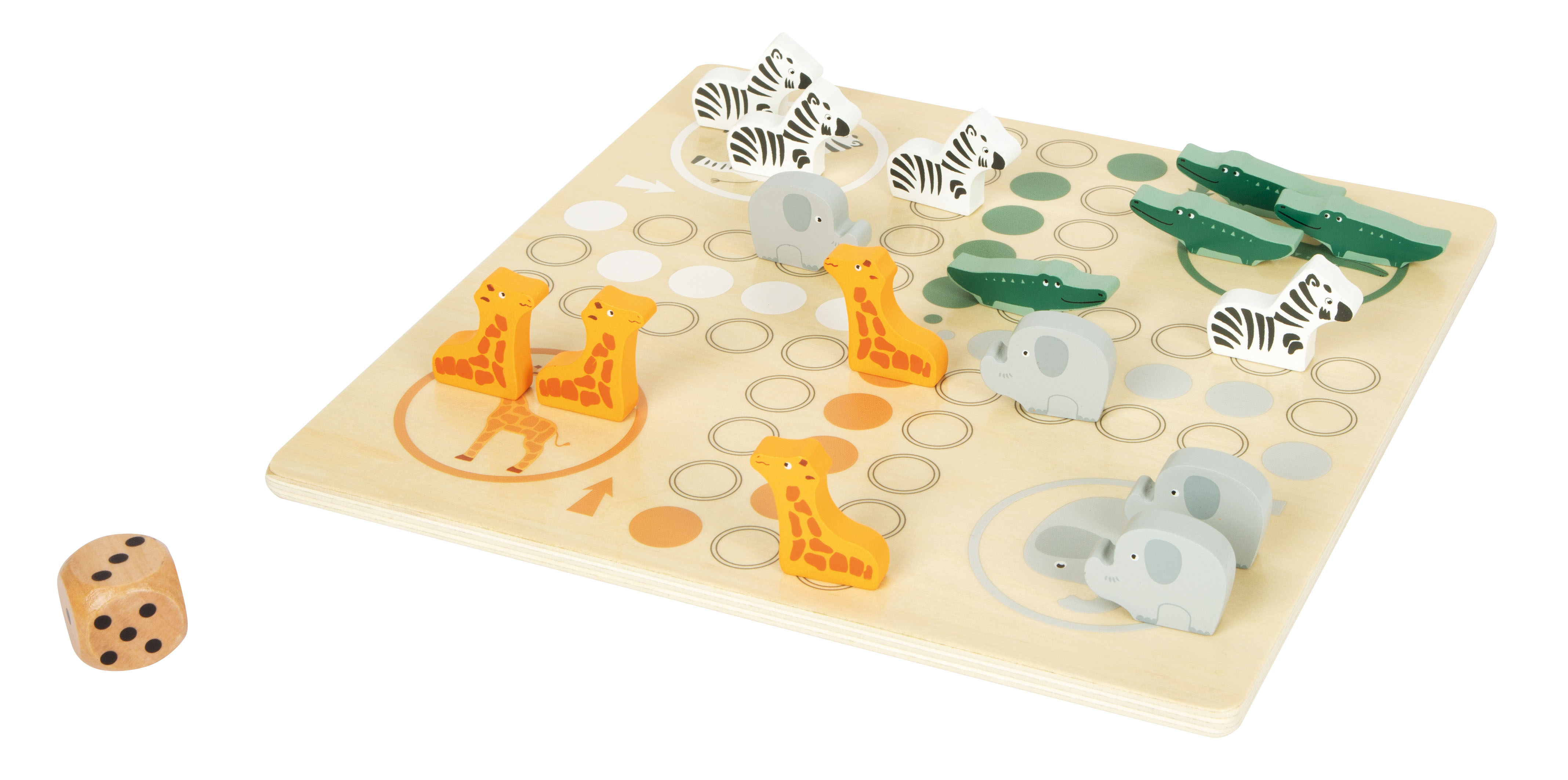
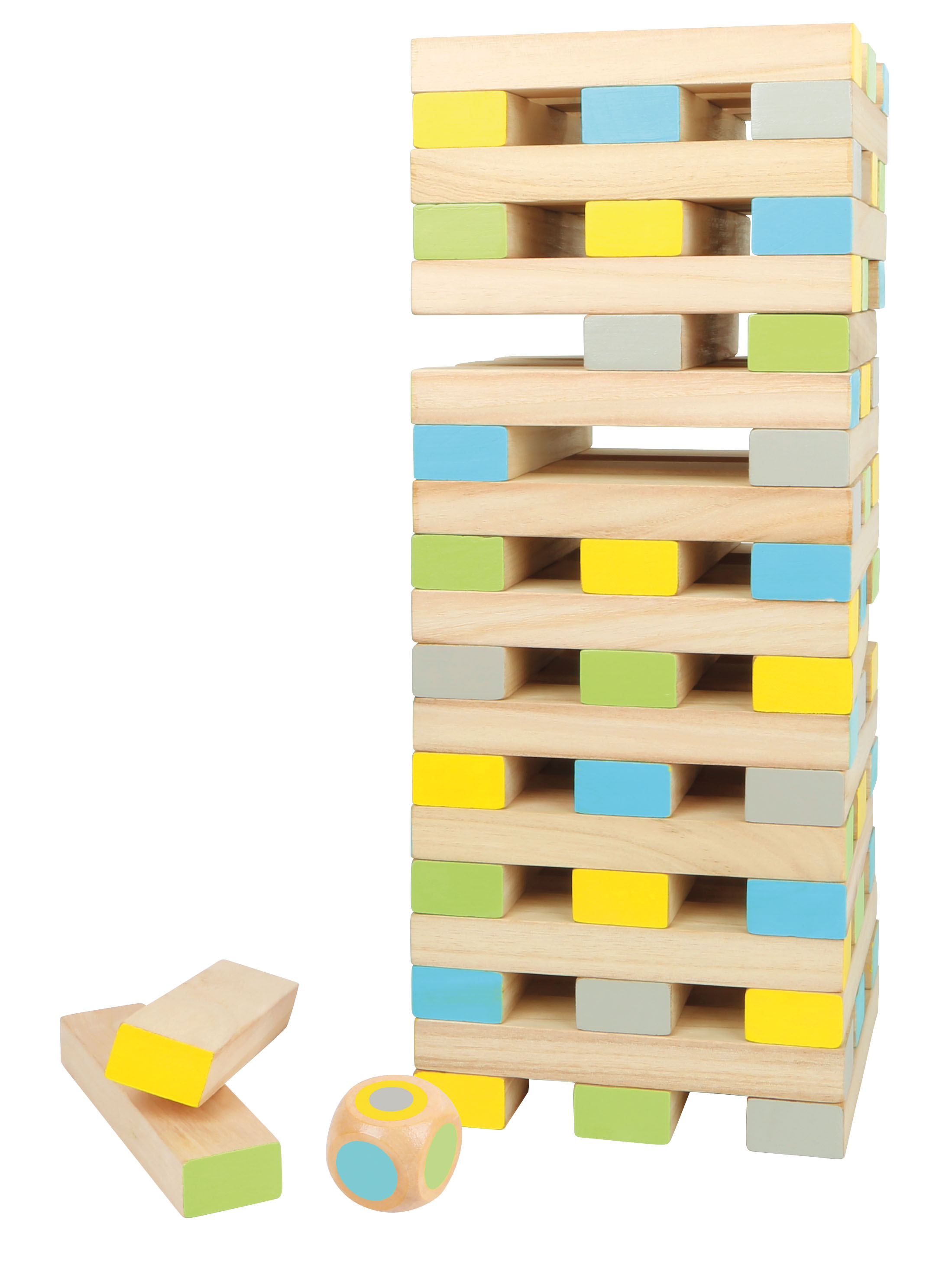
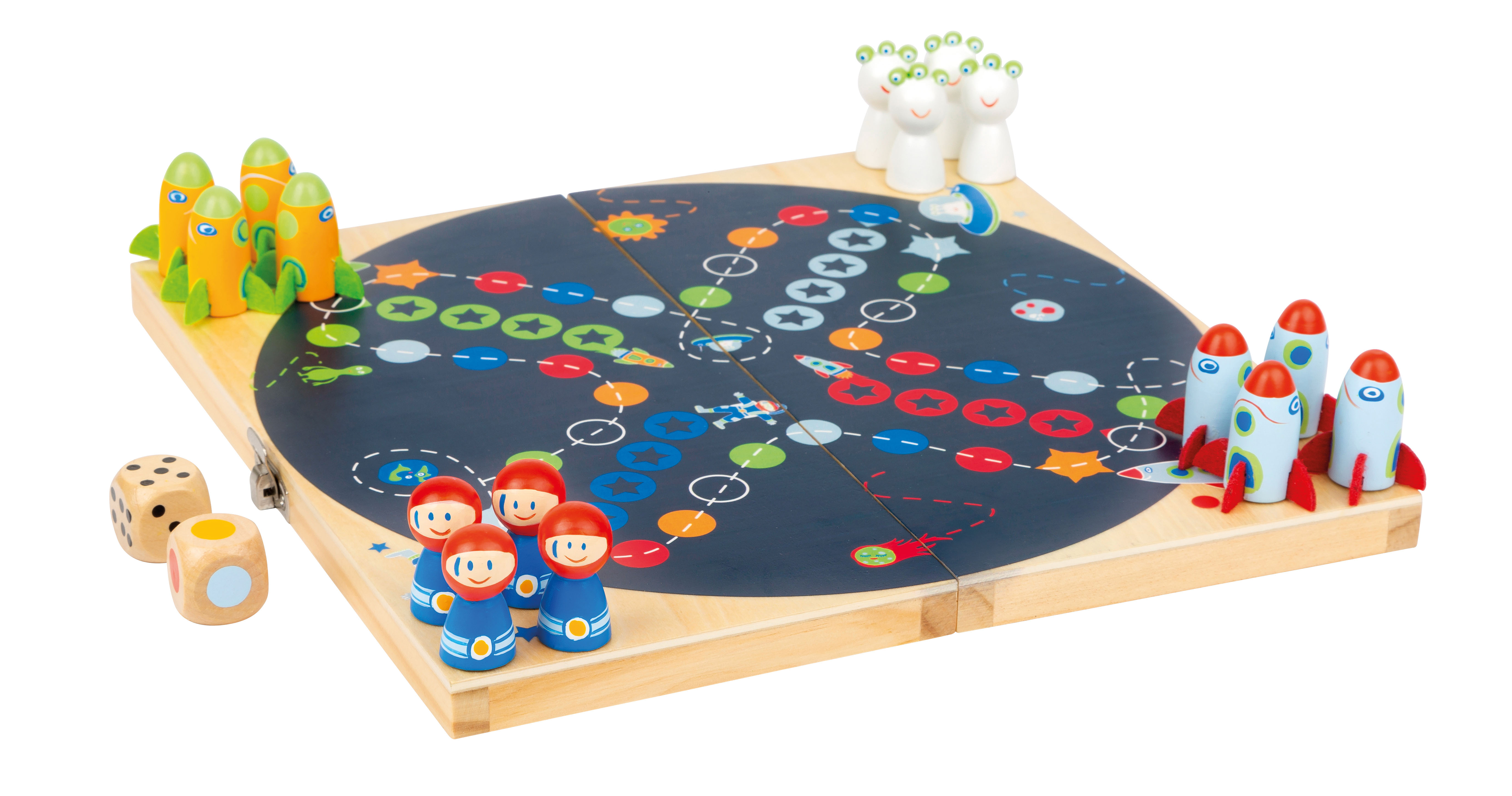
and 3 years can start the game marathon with classics such as Memory, dominoes, and wobbly towers. Other classics such as Ludo, dominoes, Mikado, or Viking games are more suitable for children aged between 3 and 4 years old due to their more complex rules so they won't be overwhelmed.