

Promoting the development of cognitive skills in babies & toddlers
Babies' and infants' interest in social relationships
Children's interest in their fellow human beings is large, even as
babies. Ultimately, this is in human nature. They like human voices and
can symbolise their interest as well as their disinterest to others with
facial expressions and gestures. Once newborns can see their
environment better, they start to smile at other people around the age
of 6 months. It's completely natural that some babies are a bit more
restrained around strangers than others. Parents don't have to worry
about kids being shy with strangers. It's also normal when children
younger than 3 years old prefer to play by themselves and then develop
an interest in playing together with others later on.
How children learn the rules of social togetherness
Children first have to learn to control their social interactions
between two or more people. They have to first find their role in the
group and practise their interaction with other children. That means
learning to accept compromises or dial down their own wishes in the
interest of the group. At the same time, children are confronted with
the challenge of perceiving and categorising emotions such as anger,
sadness, and defiance. The foundation of this is emotional learning via
everyday experiences. In addition to words, one's facial expressions,
gestures, tone of voice, and body posture also play a role. Daily
emotional learning takes place where people meet each other. For
example, why is my friend in kindergarten angry when I take away his
toy? There's the risk of escalation through pushing and hitting.
Ultimately, there's the confirmation that children cannot foresee the
consequences of their actions. They're lacking the ability to imagine
how other people feel, and they still have to learn to accept boundaries
and limitations. Children start to learn skills such as understanding,
empathy, consolation, and reliability step by step. These are part of
emotional skills and they constitute the foundation for social
development in order to be able to build relationships.
Promote social and emotional development with role-playing toys
Children's emotional and social development can be trained with role-playing toys and imitating situations they experience. It's possible to simulate everyday situations in a playful way. This allows children to process their experience, and parents have an opportunity to learn more about children's emotional state in a comfortable setting. Even just describing the emotional state trains children's emotional skills. They learn to deal with their own feelings and how to express them in words. This also promotes their social development in the sense that children place themselves in the shoes of hair stylists, police officers, or store owners when role-playing and perceive things from another viewpoint. This developmental foundation thereby gains a strong personality.


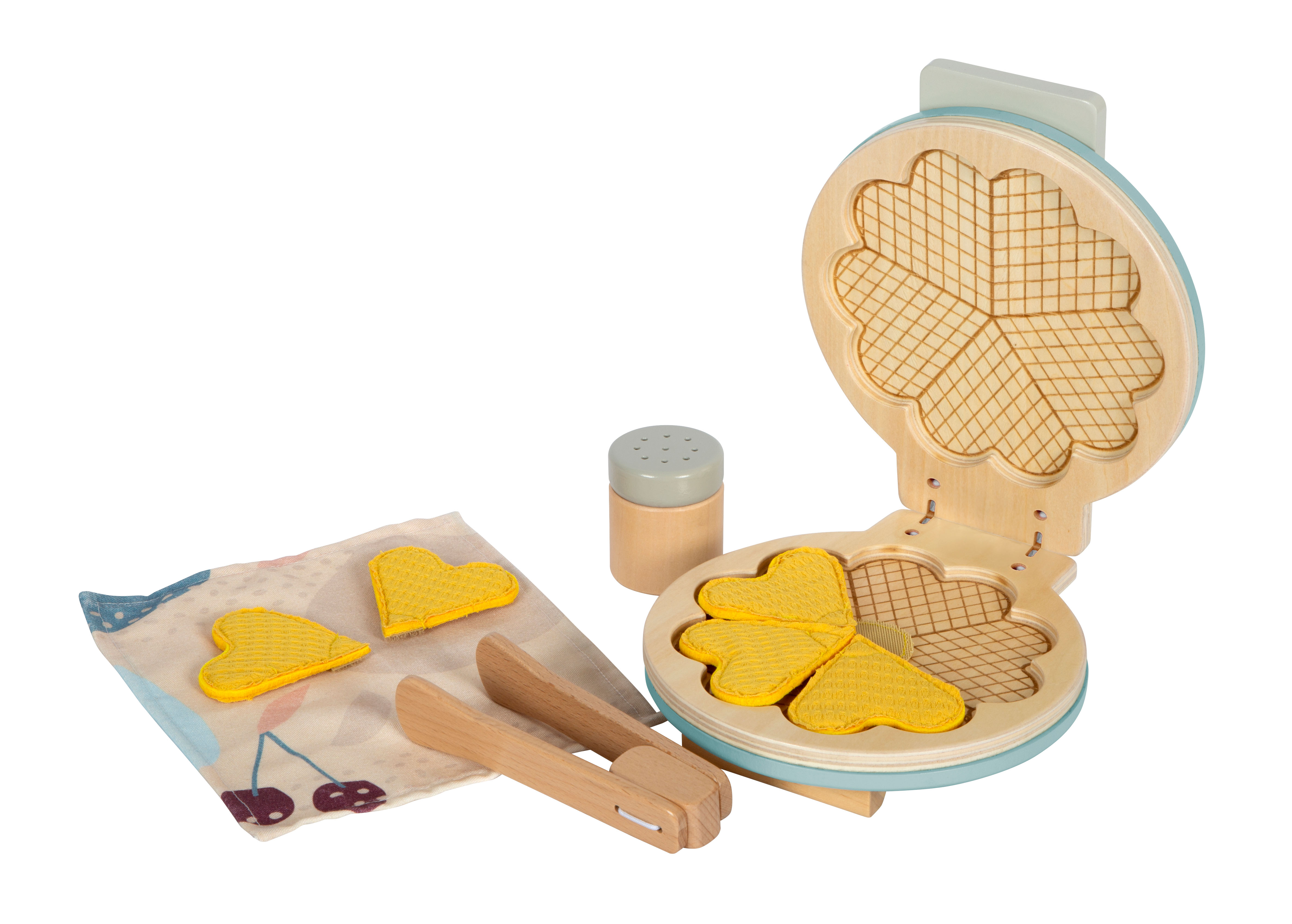


Play worlds promote social development
Play worlds allow children to dive into another world - they not only inspire children's fantasies, but also encourage them to place themselves into the role of other people and perceive things from their viewpoint. This lays the foundation of social behaviour even in early childhood. Emotional skills such as understanding and empathy are very important for many areas of everyday life - they build a basis for social togetherness, social responsibility, and stable relationships.


